
Microsorum novae-zealandiae
Microsorum novae-zealandiae
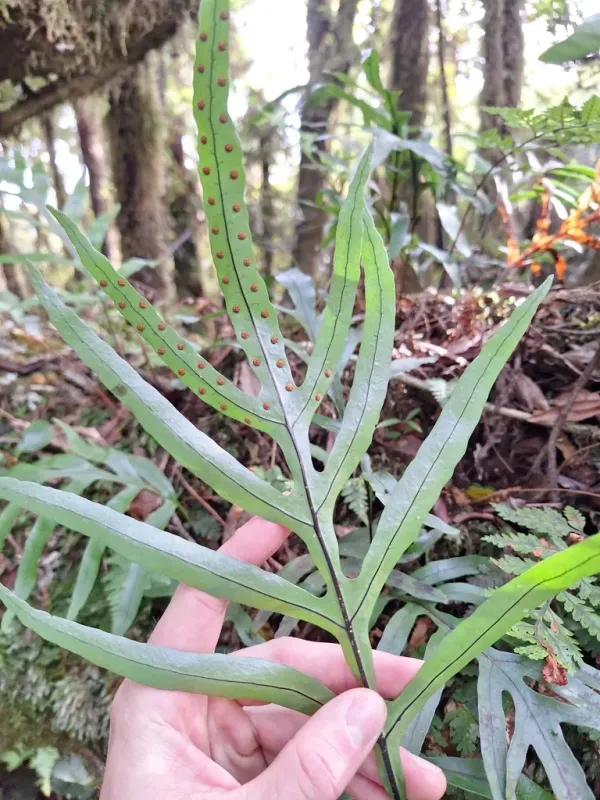
Description
Growing requirements
Microsorum novae-zealandiae is a perennial epiphytic fern belonging to the Polypodiaceae family. Native to New Zealand, this species naturally inhabits humid forest environments, often growing as an epiphyte on tree trunks or in rocky crevices rich in organic matter.
The plant requires high levels of atmospheric humidity, ideally maintained between 70 and 80 percent. It thrives in shaded or semi-shaded conditions, as direct sunlight can cause severe leaf scorch and dehydration of the delicate fronds.
Temperature requirements are moderate, with an optimal range between 18 and 24 degrees Celsius. It is sensitive to sudden drops in temperature and cold drafts, which can cause significant physiological stress and dormant periods.
Cultivation requires a well-drained, airy substrate with an acidic to neutral pH. A mix containing peat, pine bark, and perlite or charcoal is recommended to mimic the natural epiphytic niche and prevent waterlogging.
Regular watering is essential, using soft, room-temperature water. While the plant prefers consistent moisture, it is critical to ensure that the medium does not become waterlogged to prevent oxygen deprivation in the root zone.
Main diseases and pests
Spider mites are the most frequent pests, especially in environments with insufficient air humidity. These small arachnids feed on the underside of fronds, causing yellowing and webbing that ruins the plant's aesthetic value.
Scale insects can also infest the stems and leaves, extracting nutrients and weakening the plant. Physical removal or the application of horticultural oils is often necessary to control these persistent pests effectively.
Fungal leaf spot diseases may occur when ventilation is poor and moisture levels remain too high. These infections manifest as dark, necrotic lesions that can spread rapidly if the affected fronds are not removed.
Root rot is a major threat caused by overwatering or using compacted, poorly draining soil. If the roots become black and mushy, the plant may require emergency repotting into fresh, porous substrate.
Maintaining a clean growing area and inspecting new plants for pests before introduction is standard practice to prevent the spread of diseases within a nursery or greenhouse setting.