
Microsorum hybrids
Microsorum hybrids
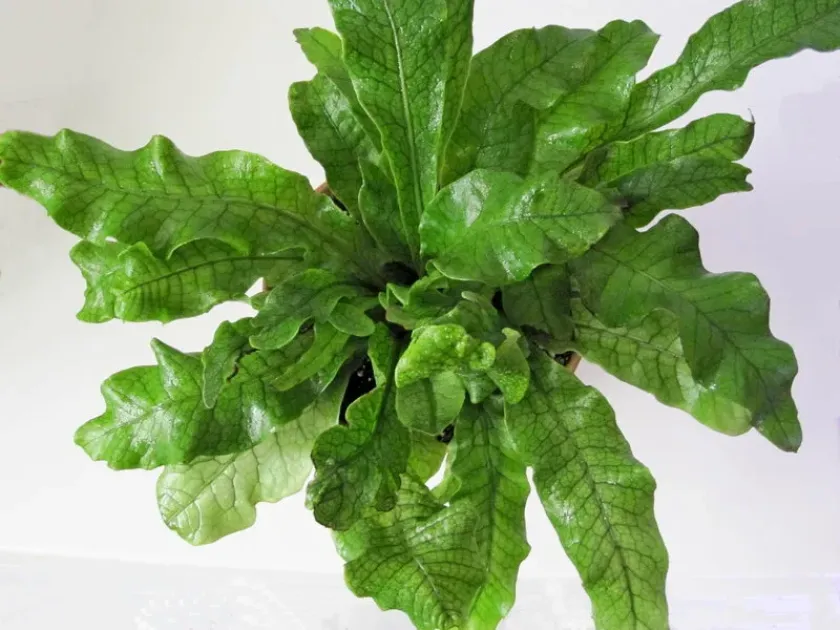
Description
Growing requirements
Microsorum hybrids belong to the Polypodiaceae family and are cultivated primarily for their unique foliage structure. These ferns are artificial hybrids developed to enhance visual characteristics such as leaf texture and overall hardiness in indoor environments.
Originating from ancestral species found in the tropical regions of Southeast Asia and Australia, these plants thrive in stable, warm conditions. They function effectively as greenhouse or indoor houseplant crops, demanding high humidity levels to flourish.
The culture requires bright, indirect light to prevent leaf scorching while maintaining photosynthetic efficiency. In an agricultural setting, maintaining temperatures between 20°C and 25°C is essential for sustaining the growth of these tropical ferns.
Soil requirements dictate the use of light, porous, and well-draining substrates. A mixture containing peat, pine bark, and perlite is ideal for mimicking the epiphytic natural growing conditions that characterize many species within this genus.
Proper cultivation management involves careful irrigation, ensuring the growing medium stays moist but never waterlogged. Regular misting of the fronds is highly recommended to prevent the tips of the leaves from drying out due to low ambient humidity.
Main diseases and pests
The most common pests affecting Microsorum hybrids include scale insects, mealybugs, and spider mites. These pests thrive in dry environments and can quickly infest the undersides of the fronds if environmental humidity is not properly managed.
Diseases are typically caused by poor cultural practices, particularly overwatering, which leads to root rot. Additionally, fungal leaf spots may occur if air circulation is insufficient, necessitating the use of systemic fungicides and increased ventilation.