
Dudaim melon
Cucumis melo L. subsp. melo
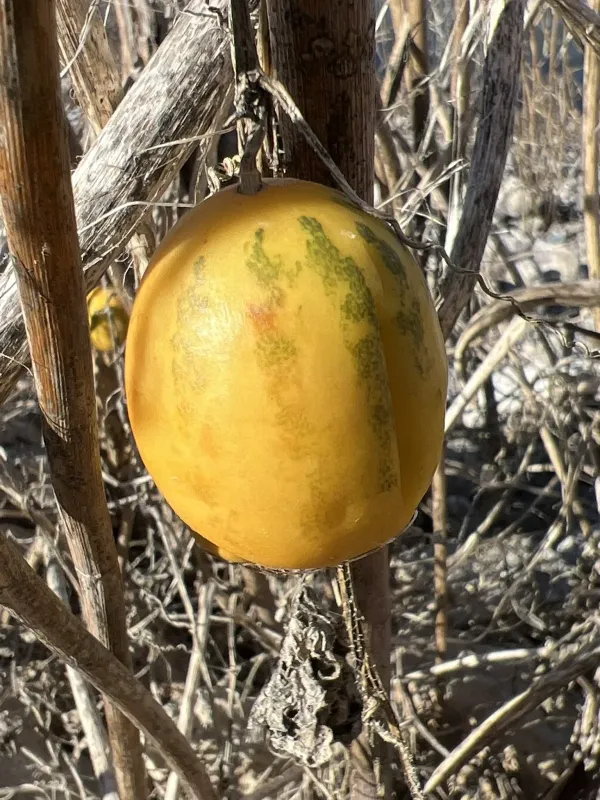
Description
Sowing dates
The Dudaim melon, often referred to as the Queen Anne melon, is typically sown in spring once the danger of frost has completely passed. In regions with short growing seasons, it is advisable to start seeds indoors about four weeks before the expected transplant date.
Seeds require warm soil, ideally between 22 and 26 degrees Celsius, to germinate effectively. Using biodegradable peat pots is highly recommended to minimize root disturbance, as this plant is notoriously sensitive to transplanting shock.
When sowing directly into the garden, ensure the soil temperature is consistently above 15 degrees Celsius. Planting in mounds or raised beds helps ensure better drainage and warmer soil conditions, which are vital for early establishment.
Spacing is essential for this vining plant, which can extend several meters if left unpruned. Providing a distance of at least 1 meter between plants allows for adequate airflow and reduces the likelihood of foliage-related diseases.
Consistent moisture is key during the germination and early growth phases. Once the seedlings have established a few true leaves, they can be hardened off gradually before being permanently moved to their outdoor location.
Growing requirements
As a member of the Cucurbitaceae family, the Dudaim melon thrives in full sun and warm, stable climates. It is native to tropical and subtropical regions, which dictates its high heat requirement for both vegetative growth and fruit maturation.
The ideal soil is sandy loam with high organic matter content and a neutral pH. The soil must be well-drained, as these plants are highly susceptible to root rot if they remain in waterlogged conditions for extended periods.
Dudaim melons are remarkably aromatic, often emitting a strong fragrance that can permeate a room. This trait requires a balance of light and heat to fully develop, making exposure to direct sunlight for at least 8 hours a day a necessity.
Watering should be managed with precision. While the plant needs regular water, overwatering can lead to fruit splitting or flavor dilution. Drip irrigation is the most effective method, as it delivers water directly to the roots without wetting the leaves.
Supplemental feeding with a balanced fertilizer, focusing on phosphorus and potassium during the flowering stage, will enhance fruit production. Avoiding excessive nitrogen is important, as it promotes leafy growth at the expense of fruit quality.
Main diseases and pests
Powdery mildew is a common challenge for Dudaim melons, appearing as a white, dusty growth on the leaves. Proper spacing and airflow are the best preventative measures against this fungal infection.
Pests such as aphids and spider mites can cause significant damage to the foliage, especially in dry, hot weather. Monitoring the undersides of the leaves regularly allows for early detection and intervention using organic insecticidal soaps.
Fusarium wilt is a serious soil-borne disease that can cause sudden wilting and death of the plant. Crop rotation is essential, as this pathogen can persist in the soil for several years if susceptible crops are planted repeatedly.
Cucumber beetles are another major pest, not only causing direct tissue damage but also serving as vectors for bacterial wilt. Utilizing row covers early in the season can protect young plants from these insects.
To mitigate disease pressure, it is crucial to keep the garden free of weeds that might host pests or diseases. Maintaining plant health through proper nutrition and water management significantly increases natural resistance to environmental stressors.