
Mazus surculosus
Mazus surculosus
Description
Growing requirements
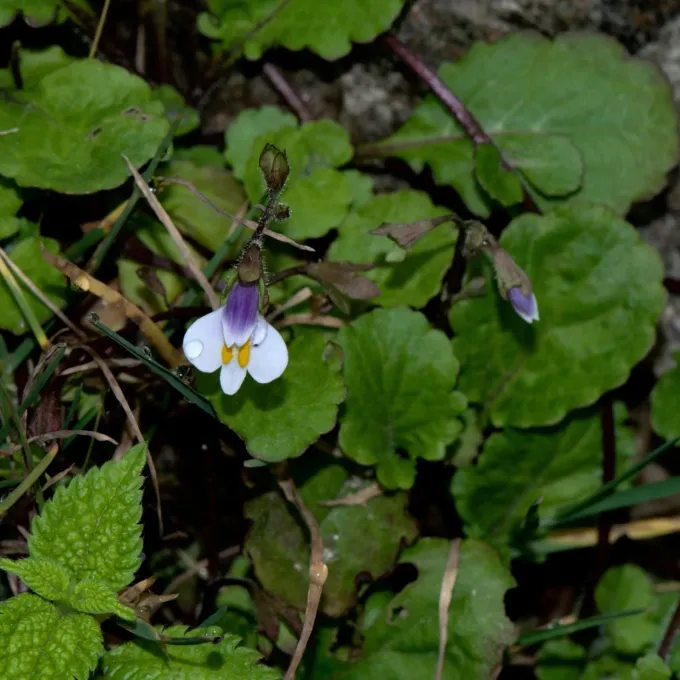
Mazus surculosus is a perennial creeping herb belonging to the Phrymaceae family. Native to the Himalayan region, it thrives in moist, shaded environments, spreading via runners that root at the nodes. This characteristic makes it an exceptional candidate for ground-level landscaping projects where a dense, low-growing carpet is desired.
The plant requires fertile, well-drained soil with consistent moisture levels to thrive. While it prefers partial shade, it can tolerate more sun if the soil moisture remains high. It is particularly well-suited for rocky soils, stream banks, and alpine garden settings, provided the substrate offers enough organic matter for steady growth.
Proper cultivation involves regular watering, especially during dry spells, to prevent the foliage from wilting. Propagation is typically done by division in early spring or autumn. Due to its vigorous spreading habit, it quickly covers the ground, effectively outcompeting most annual weeds in the garden.
In terms of agricultural management, Mazus surculosus benefits from a light layer of mulch during the winter months in colder climates to protect its shallow root system. It does not require intensive fertilization; however, an application of balanced, slow-release fertilizer in early spring can enhance the density of the foliage and the abundance of blooms.
Its primary use is ornamental, serving as a lush groundcover for pathways, rock gardens, and areas where low-maintenance coverage is needed. Because it handles light foot traffic, it is often utilized to soften the edges of stone paving or to create naturalistic transitions in landscape design.
Main diseases and pests
The most significant threats to Mazus surculosus are root and crown rot, which occur in waterlogged conditions or where soil drainage is inadequate. Improving air circulation around the plants and ensuring the substrate is not compacted are essential preventative measures against these fungal issues.
Slugs and snails are the most frequent pests, often consuming the tender foliage during damp weather. To mitigate damage, gardeners can use physical barriers or organic bait methods to keep populations in check, ensuring the plant retains its aesthetic appeal throughout the growing season.