
Mazus pumilio
Mazus pumilio
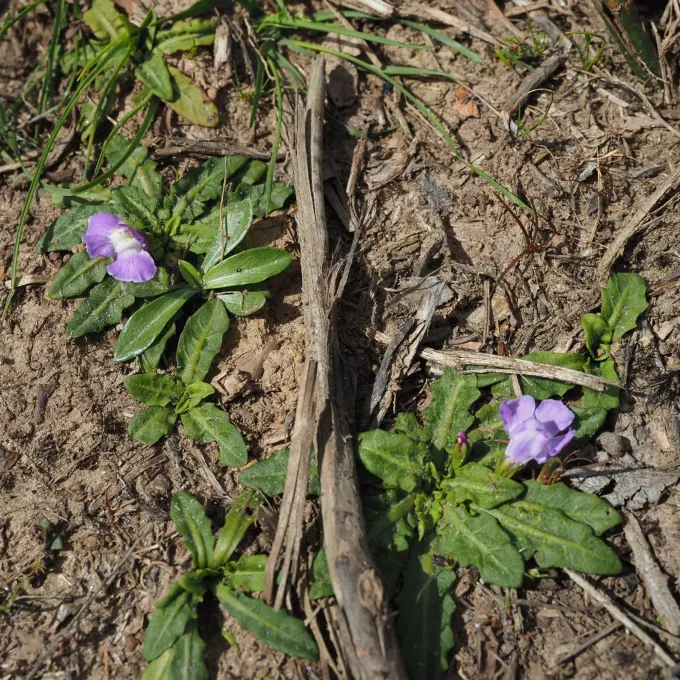
Description
Sowing dates
Propagation of Mazus pumilio is typically achieved through seed sowing in spring or by dividing established clumps to expand the planting area.
Seeds are tiny and should be surface-sown in a high-quality, moist potting mix, ensuring they receive enough light to trigger the germination process.
Temperature control is essential during the early stages of growth, ideally keeping the environment consistent around 18-20 degrees Celsius.
When propagating by division, carefully separate the spreading runners, ensuring each section has a healthy root system for immediate establishment.
Transplanting into the garden should occur once the danger of late spring frost has completely passed to allow the plant to settle comfortably.
Growing requirements
Mazus pumilio is a perennial herbaceous plant belonging to the Phrymaceae family, known for its dense, mat-forming growth habit in garden settings.
It thrives in moist, fertile, and well-drained soils, requiring consistent hydration throughout the growing season to maintain its vibrant green foliage.
The plant performs best in full sun to partial shade, though in hotter climates, afternoon shade is beneficial to prevent leaf scorch and dehydration.
Soil structure should be rich in organic matter to support the rapid growth of creeping stems that eventually form a lush carpet across the soil surface.
During winter months in temperate zones, a light organic mulch layer can provide necessary protection against fluctuating ground temperatures.
Main diseases and pests
Root rot is the most significant threat to Mazus pumilio, occurring predominantly when the soil becomes waterlogged or drainage is insufficient.
Gastropod pests, such as slugs and snails, are attracted to the succulent-like foliage and can quickly damage the integrity of the mat if left uncontrolled.
Proper spacing between plants is recommended to improve airflow, which significantly reduces the risk of fungal infections developing in dense patches.
While the plant is relatively hardy, monitoring for signs of stress during prolonged dry spells is necessary to prevent the decline of the colony.
Integrated pest management, including manual removal of slugs and improving site drainage, is the preferred approach for maintaining a healthy planting.