
Mazus dentatus
Mazus dentatus
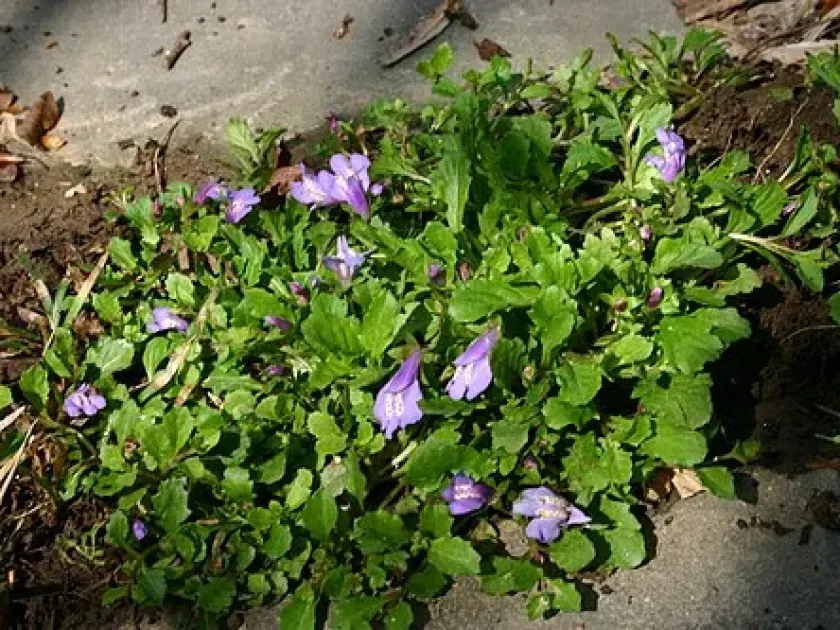
Description
Growing requirements
Mazus dentatus belongs to the Phrymaceae family and is a low-growing herbaceous perennial highly regarded for its vigorous ground-covering habit. It creates dense mats of foliage that make it an excellent choice for ornamental landscaping.
Native to the mountainous regions of East Asia, including parts of China, this species thrives in cool and moist environments. It is adapted to regions where the soil remains consistently damp but well-draining, mimicking its natural habitat.
The plant requires a location with partial shade to full sun, depending on the intensity of the regional summer heat. In warmer climates, protecting the plant from scorching afternoon sun is essential to maintain leaf health and vitality.
Soil requirements involve a rich, well-aerated medium with a neutral to slightly acidic pH. Incorporating organic matter, such as peat or well-rotted compost, helps improve soil structure and water retention without causing waterlogging.
Mazus dentatus is hardy, yet in regions with severe winters, it benefits from a protective layer of mulch or evergreen branches. This protection prevents the frost from heaving the soil and damaging the plant's shallow root system.
Main diseases and pests
The plant is relatively resistant to major diseases; however, it is susceptible to root rot if the soil is poorly drained. Ensuring that the site has a proper drainage slope is crucial for the long-term health of the plant.
Fungal leaf spots may occur during periods of high humidity and poor air circulation. To manage this, gardeners should avoid overcrowding the plants and ensure that the foliage dries out reasonably quickly after rainfall.
Slugs and snails are the most significant pests for Mazus dentatus, particularly in cool, moist weather when they can chew through the foliage. Using organic deterrents or traps is recommended to protect young, tender leaves.
Aphids can occasionally infest the growing tips during the peak of the season. If an infestation occurs, treating the affected areas with insecticidal soap or neem oil is usually sufficient to control the population without harming the plant.
By monitoring moisture levels and keeping the planting area free of debris, most threats to Mazus dentatus can be easily managed. It remains a reliable and resilient choice for gardeners seeking a ground-covering solution.
Harvesting
Mazus dentatus serves primarily as an ornamental plant rather than an agricultural crop for harvest. It is widely used in rock gardens, along paths, and near pond edges where its creeping habit can be utilized to full advantage.
The plant is effective at suppressing weeds, significantly reducing the maintenance time required for weeding. Propagation is best achieved by dividing established clumps during the early spring or autumn to expand its coverage in the garden.
Flowering typically occurs in late spring, producing delicate blooms that contrast beautifully with the lush green foliage. Even after flowering, the plant retains its aesthetic value, acting as a green carpet throughout the growing season.
Minimal pruning is required, though tidying up dead or winter-damaged foliage in early spring encourages fresh, healthy growth. This simple maintenance practice keeps the mat dense and prevents the center of the plant from becoming woody.
As a low-maintenance perennial, it is favored by gardeners for its ability to persist for many years with minimal intervention. It does not require frequent replanting, provided the moisture levels are kept within the optimal range.