
Mazus reptans
Mazus reptans
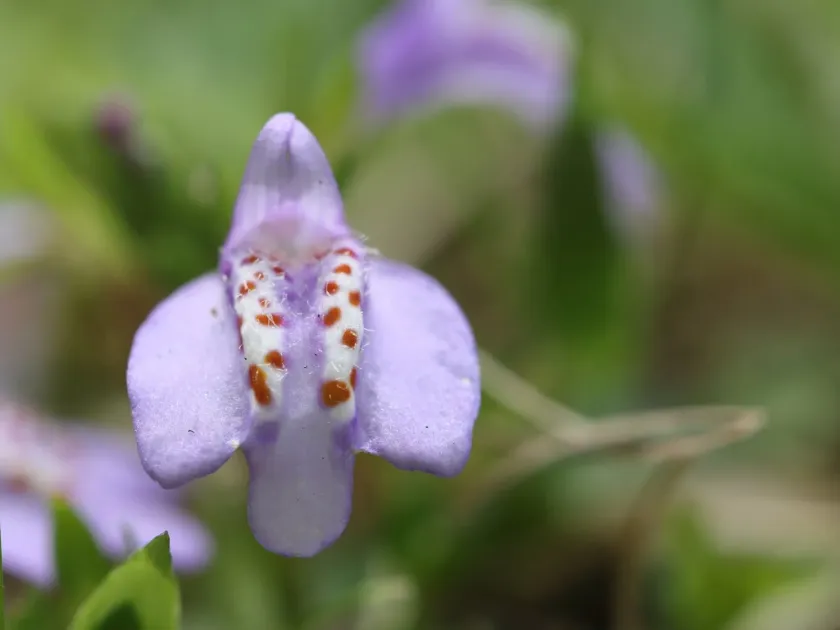
Description
Sowing dates
Propagation of Mazus reptans is most effectively achieved through vegetative methods, primarily by dividing established clumps or utilizing the plant's natural rooting nodes along its creeping stems.
The optimal time for planting or dividing the species is during early spring or autumn, which allows the root system to establish itself before the onset of extreme seasonal temperatures.
For those utilizing seeds, sowing should occur in controlled greenhouse conditions, often requiring a period of cold stratification to overcome dormancy and ensure uniform germination.
When transplanting into the landscape, a spacing of approximately 20 to 30 centimeters between initial plants is recommended to facilitate rapid ground coverage within one to two growing seasons.
Proper surface preparation, including weeding and organic amendment incorporation, is crucial to ensure the stolons can easily penetrate the soil and initiate new root growth.
Growing requirements
Mazus reptans, a member of the Phrymaceae family, is a vigorous, low-growing perennial native to the Himalayan regions, prized for its ability to form a dense, lush mat.
The plant thrives best in moist, well-drained, fertile soil, ideally in a location that receives full sun to partial shade, depending on the intensity of the regional summer heat.
Soil pH should ideally be neutral or slightly acidic; heavy, poorly drained clay soils can lead to physiological stress and reduced vigor, especially during dormant winter months.
Water management is the most critical factor in successful cultivation; the plant requires consistent moisture and does not tolerate prolonged drought, which often leads to leaf scorching.
In colder climates, applying a thin layer of winter mulch provides necessary protection against frost heave and maintains soil temperature stability for the evergreen foliage.
Main diseases and pests
Mazus reptans is generally considered resistant to most garden diseases; however, root rot can occur if the planting site lacks proper drainage and experiences standing water.
Garden pests such as slugs and snails are the primary threats, as they can cause significant aesthetic damage to the dense foliage during periods of high humidity and rainfall.
Integrated pest management strategies, such as hand-picking snails or applying horticultural barriers, are often more effective than chemical interventions for this low-growing crop.
Maintaining adequate air circulation around the plants by preventing excessive encroachment of taller neighbors helps to mitigate risks associated with fungal infections.
Regular monitoring of the canopy is advised, especially in spring, to detect early signs of pest damage or patches of dieback, allowing for localized corrective action.