
Mazus stachydifolius
Mazus stachydifolius
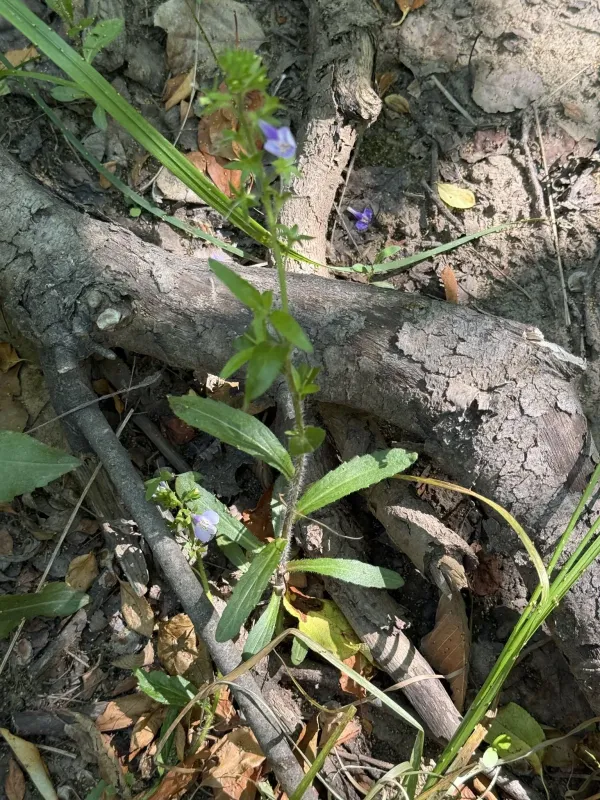
Description
Sowing dates
Mazus stachydifolius is a perennial herbaceous plant belonging to the Phrymaceae family. It is recognized for its creeping growth habit and potential for landscaping, requiring specific horticultural approaches for successful establishment.
Sowing should be performed in early spring once the danger of frost has passed. Seeds require light to germinate, so they should be surface-sown on moist, sterile soil mix without being deeply buried in the substrate.
Maintaining a consistent temperature of around 20°C (68°F) and keeping the surface moist are essential for successful germination. Using a misting system can prevent the seeds from drying out during the critical first two weeks.
Once seedlings have developed two sets of true leaves, they can be transplanted into larger containers or individual cells to allow the root system to expand before field planting.
Spacing should be calculated based on the desired coverage speed, with recommended planting densities ranging from 25 to 35 centimeters between plants to promote a dense ground mat.
Growing requirements
This species thrives in moist, well-draining soils rich in organic matter. In natural environments, it is often found in meadows and riparian zones, reflecting its high water requirements.
Full sun to partial shade is ideal for this crop. While it can tolerate shade, exposure to adequate sunlight is vital for producing the characteristic floral displays that define its ornamental value.
Irrigation management is the most critical component of Mazus stachydifolius maintenance. The plant is not drought-tolerant and requires frequent watering, especially during the peak summer growth phases.
The plant demonstrates good adaptability to various soil types, provided that pH levels remain slightly acidic to neutral. Adding mature compost during soil preparation is highly recommended to improve soil structure.
Winter maintenance involves protecting the crown of the plant from extreme temperature fluctuations. In climates with severe winters, a light layer of mulch helps preserve the integrity of the root system.
Main diseases and pests
Fungal pathogens such as root rot can emerge if drainage is insufficient. Ensuring that the planting site has good soil aeration is the primary defense against these soil-borne diseases.
Slugs and snails are the most common pests, particularly in shaded and moist areas where the foliage remains damp. Manual removal or baiting are effective management strategies for these pests.
Aphid infestations can occur during periods of succulent new growth. Routine monitoring and the application of neem-based oils or insecticidal soaps can manage these populations effectively.
Environmental stress often manifests as chlorosis or leaf browning. This is frequently linked to over-fertilization or poor water quality, necessitating regular checks of nutrient and mineral levels in the soil.
To minimize disease pressure, sanitation is paramount. Clearing dead organic matter from the planting site before the onset of winter significantly reduces the overwintering capacity of common plant pathogens.