
Marcgravia umbellata
Marcgravia umbellata
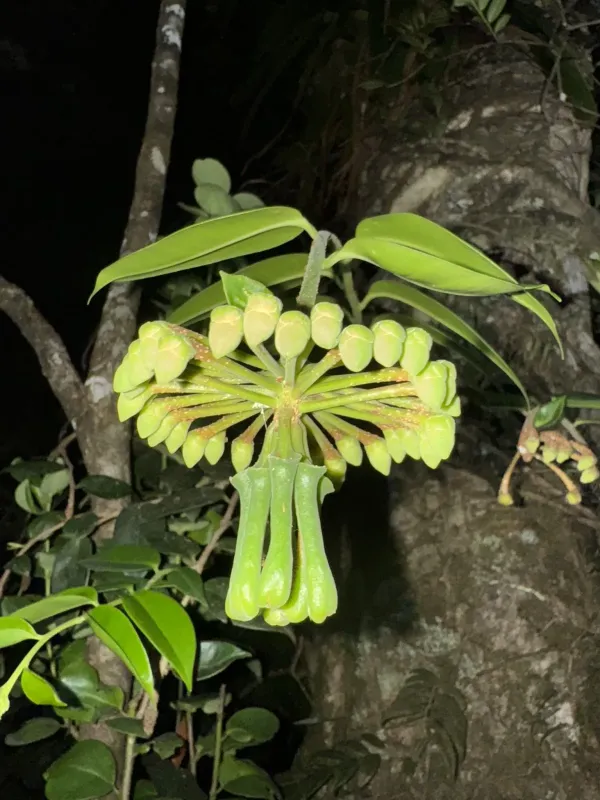
Description
Growing requirements
Marcgravia umbellata is a fascinating epiphytic vine belonging to the Marcgraviaceae family. Originating from the tropical rainforests of Central and South America, it has evolved to thrive in high-humidity environments as a climbing or trailing plant.
The cultivation of this species requires strict adherence to environmental parameters, primarily high relative humidity, often exceeding 75%. Due to these specific needs, it is widely recognized as a premium plant for bioactive terrariums and advanced vivariums.
The root system of this culture is highly adapted to epiphytic life, meaning it requires a well-draining, airy substrate. A mix of sphagnum moss, orchid bark, and perlite provides the necessary gas exchange to prevent root asphyxiation.
Optimal light conditions involve bright, indirect light. Exposure to harsh, direct sunlight will quickly damage the delicate foliage, causing bleaching and leaf burn. Consistent light levels are essential for maintaining the unique growth morphology of the vine.
Temperature management should focus on stability. Maintaining daytime temperatures between 22°C and 26°C is ideal for metabolic processes, while nighttime temperatures should not drop significantly, as the plant is highly sensitive to cold stress.
Main diseases and pests
The most common biological threats include spider mites, which thrive in stagnant, dry air conditions within poorly ventilated spaces. Regular misting and proper airflow are the primary methods for preventing such infestations.
Fungal pathogens represent a significant risk, particularly root and stem rot caused by waterlogged soil conditions. Ensuring a professional-grade drainage system is a mandatory agricultural practice for this species.
Scale insects can occasionally affect the vine, hiding in the leaf axils. Their presence significantly depletes the plant's resources, often leading to secondary infections or the eventual death of the affected branch.
Water quality is a critical factor for the longevity of Marcgravia umbellata. The accumulation of mineral salts from hard tap water can lead to root toxicity, manifesting as brown leaf tips and slowed vegetative development.
Integrated pest management should be practiced, prioritizing biological controls and manual removal over harsh chemical pesticides. Because of the plant's delicate tissues, any chemical treatment should be tested on a small area first.