
Marcgravia lineolata
Marcgravia lineolata
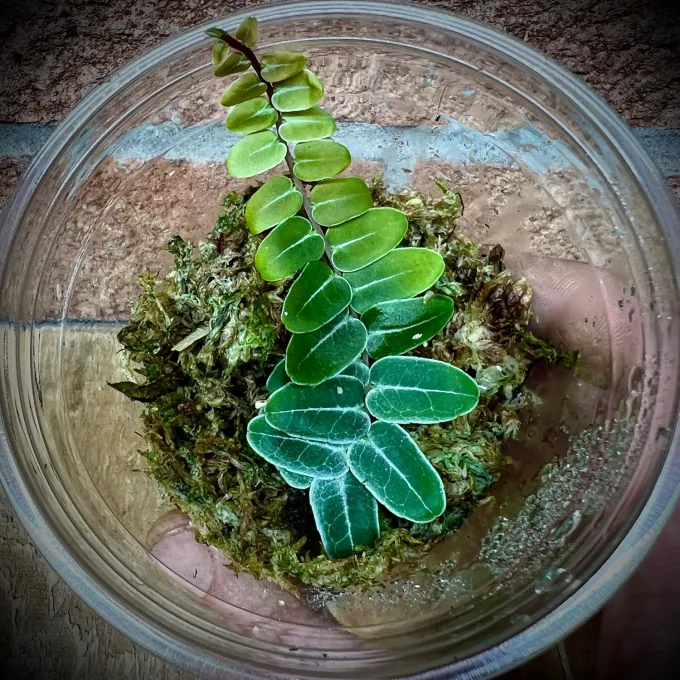
Description
Growing requirements
Marcgravia lineolata is a distinctive epiphytic vine belonging to the Marcgraviaceae family. Native to the tropical rainforests of Central and South America, it is prized for its climbing habit and unique leaf patterns that change as the plant matures.
The cultivation of this species requires a strictly controlled environment that mimics its natural habitat. High humidity levels, ideally maintained between 75% and 85%, are essential for the health of the plant and the development of its aerial root systems.
Temperature requirements for this plant are relatively narrow. It thrives in a range of 22–27 degrees Celsius. Cold drafts or sudden drops in temperature can cause leaf drop and stunt the overall growth of the vine, making climate regulation a priority.
Regarding soil and substrate, the plant demands a well-draining, airy medium. A mix containing orchid bark, sphagnum moss, and perlite is often used to ensure proper gas exchange and to prevent the root rot commonly associated with heavy, water-logged soils.
Light exposure must be filtered or indirect. Harsh sunlight can bleach the foliage and cause severe tissue damage. Growers often utilize LED grow lights or shaded greenhouse environments to provide the consistent, soft light necessary for deep green coloration.
Harvesting
In a horticultural context, the harvest or collection process refers to the careful propagation of the plant for the market. Cuttings are the primary method of propagation, requiring high-humidity propagation chambers to ensure successful rooting.
Proper pruning is essential for maintaining the vigor of the mother plants. By removing excess growth, growers can encourage the plant to produce stronger, more robust stems that are better suited for resale and transplantation by the end user.
Quality control during the propagation phase involves monitoring for signs of fungal infections or pests. Healthy specimens must show firm, healthy leaves and active root tips before they are considered ready for distribution.
The plant is widely used in the landscaping of high-end terrariums and vivariums. Its creeping nature allows it to cover logs and vertical backgrounds, making it a valuable asset for creating naturalistic tropical displays.
Logistics for this species must be handled with care. As a tropical exotic, it does not tolerate cold storage or extreme shipping conditions, necessitating specialized packaging to maintain warmth and hydration during transit.