
Malvastrum hispidum
Malvastrum hispidum
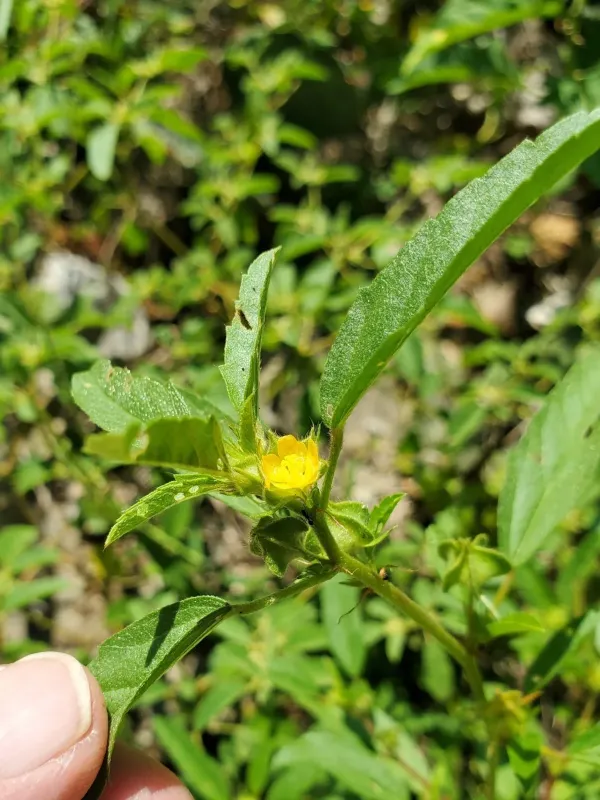
Description
Sowing dates
Sowing of Malvastrum hispidum is typically performed in early spring when the soil temperature consistently reaches 10-12 degrees Celsius. Ensuring the ground is well-warmed is essential for accelerating seed germination and early development.
Before planting, the soil requires thorough tilling to create a fine tilth, which improves seed-to-soil contact. Seeds should be sown at a shallow depth of 1-2 centimeters to ensure they have sufficient energy to reach the surface.
Seeding rates are adjusted based on the end-use of the crop, such as biomass production or seed multiplication. Higher density plantings are often used to suppress weed growth naturally by shading the soil surface.
Timely sowing is critical, as it allows the root system to establish effectively before the onset of summer drought. This early establishment phase is vital for the long-term vigor of the plant stand.
Modern precision planters are recommended for sowing to achieve uniform depth and spacing across the field. This uniformity significantly improves management efficiency during the growing season.
Growing requirements
As a member of the Malvaceae family, Malvastrum hispidum thrives in sunny, open environments. Adequate light exposure is a prerequisite for maintaining high rates of photosynthesis and biomass accumulation.
The crop prefers well-drained loamy or black soils with a neutral pH. Waterlogging is detrimental to plant health and can lead to root rot, so field selection should focus on areas with natural drainage.
While the plant shows good resilience to heat, it requires adequate soil moisture during the main growing phase. Irrigation may be beneficial in regions with highly variable rainfall patterns during the vegetative cycle.
Soil nutrient management should be based on regular soil testing. Application of fertilizers, particularly those rich in phosphorus and potassium, helps the plants withstand environmental stress and supports vigorous growth.
Crop maintenance also involves periodic mechanical weeding, especially during the first year. Keeping the crop free from competition allows the plants to allocate resources towards biomass development.
Main diseases and pests
Fungal diseases, including rust and powdery mildew, represent the primary threats to the crop. These conditions are exacerbated by excessive humidity and poor air circulation within the plant canopy.
Pests such as aphids and various species of weevils can cause significant damage to foliage and stems. Regular scouting of the field is necessary to identify pest outbreaks before they reach economic threshold levels.
Adherence to a sound crop rotation plan is essential to prevent soil-borne pathogens from building up. Avoiding back-to-back planting of Malvaceae species is a standard best practice in agronomy.
Integrated pest management strategies should be utilized to control infestations while preserving beneficial insect populations. Biopesticides are often effective and have a lower environmental impact.
Proper field hygiene and the removal of plant residues after harvest help to reduce the inoculum level of pathogens for the following season, contributing to overall crop health.