
Malvastrum americanum
Malvastrum americanum
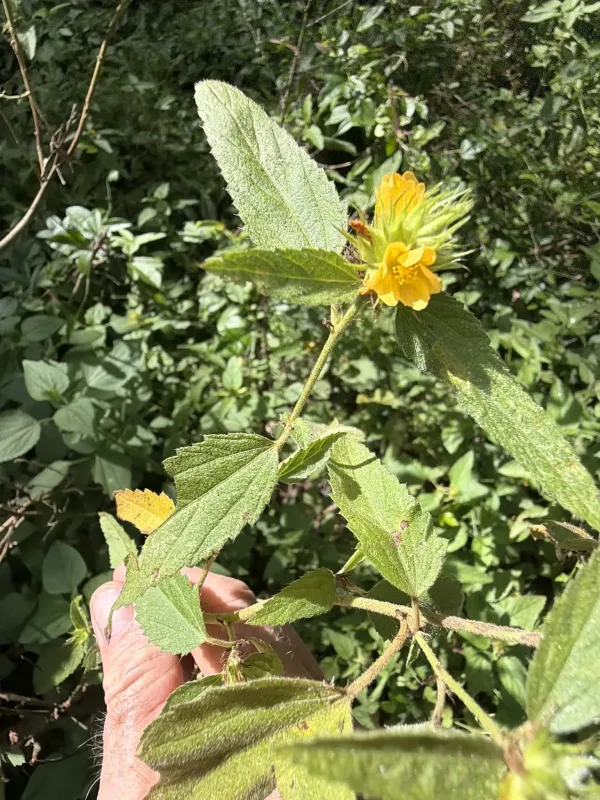
Description
Growing requirements
Malvastrum americanum belongs to the Malvaceae family and is a perennial herb or subshrub. In its natural environment, the crop is widely distributed throughout the tropical and subtropical regions of America, though it has successfully naturalized in many parts of the world due to its high adaptability.
The plant prefers open, sunny locations with good drainage. It is highly sensitive to cold and does not tolerate freezing temperatures, which limits its commercial cultivation primarily to regions with consistently warm or tropical climates.
Regarding soil conditions, the plant is relatively undemanding and can thrive in various types of soil, including sandy and rocky substrates. However, optimal vegetative growth is achieved in fertile loamy soils with moderate moisture availability.
A critical factor for successful development is the soil pH, which should ideally range from slightly acidic to neutral. The plant exhibits high resistance to short-term drought, making it a promising candidate for regions characterized by irregular precipitation patterns.
Economically, the plant is valued as a source of strong fiber, which shares similar physical and chemical properties with jute. Furthermore, it has applications in traditional medicine and can serve as a potential forage source in specific geographic areas.
Main diseases and pests
Like many members of the Malvaceae family, the plant is susceptible to specific pests, such as aphids and spider mites, which can significantly reduce green mass yields if left unchecked.
Among fungal diseases, various types of leaf spots are the most dangerous for this crop, typically occurring under conditions of high humidity and poor air circulation within the canopy.
Root rots may develop in areas prone to waterlogging, necessitating the implementation of effective field drainage systems. Disease prevention relies on crop rotation and the timely removal of plant debris.
To control insect pests, it is recommended to employ biological control methods or selective insecticides once the economic injury level has been reached.
The overall health of the stand depends on effective weed management during the early stages of development, as the seedlings can be slow to establish their aerial biomass.