
Malvastrum corchorifolium
Malvastrum corchorifolium
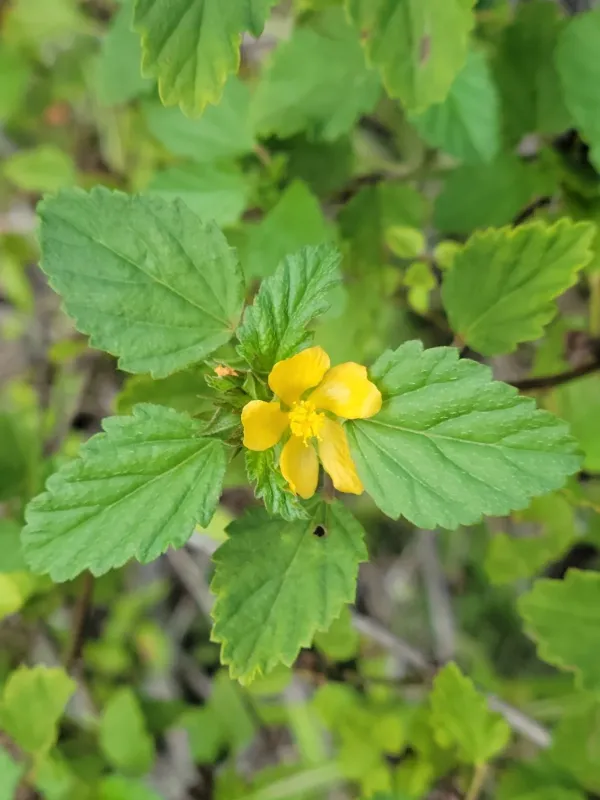
Description
Growing requirements
Malvastrum corchorifolium is a perennial herbaceous plant belonging to the Malvaceae family. Recognized for its robust growth habit, it is adapted to warm climates and demonstrates significant resilience in various environmental conditions characteristic of its native habitats in the Americas.
The plant thrives in well-drained soils, preferring loamy or sandy substrates that provide adequate aeration for the root system. Proper drainage is essential to avoid waterlogging, which the species does not tolerate well in long-term cultivation scenarios.
As a sun-loving species, it requires high levels of solar radiation to maintain optimal photosynthetic rates. Adequate spacing during sowing is necessary to ensure each plant receives sufficient light for its development and to promote overall biomass production.
Regarding climate, the species prefers tropical to subtropical conditions. It is sensitive to frost, which limits its commercial cultivation to frost-free zones or specific growing seasons. Consistent temperatures promote vigorous branching and vegetative growth.
Agrotechnical management involves maintaining soil fertility through organic or mineral fertilization. Although the plant is relatively undemanding, periodic soil nutrient assessments help in maximizing the yield of green matter for forage or soil improvement purposes.
Main diseases and pests
Disease pressure in Malvastrum corchorifolium is primarily linked to fungal pathogens that thrive in humid environments. Root rot and powdery mildew are among the most frequently observed issues that can compromise the plant's structural integrity.
Insect pests such as aphids and spider mites frequently target the plant, especially during dry spells. These pests can extract sap from the leaves, leading to chlorosis and reduced growth rates if left unmanaged by agricultural practices.
Crop rotation is vital to mitigate the risk of soil-borne diseases. Avoiding repeated planting of Malvaceae family members in the same field prevents the buildup of host-specific pathogens that can drastically reduce productivity over successive seasons.
Field sanitation is a critical component of pest management. Removing host weeds and ensuring clean field borders help in reducing the population of migratory insects that may carry viral vectors to the main crop.
The use of integrated pest management strategies, combining regular monitoring and targeted intervention, ensures that the crop maintains its health and productivity throughout the entire growing cycle.