
Yunnan crabapple
Malus yunnanensis (Franch.) C. K. Schneid.
Description
Growing requirements
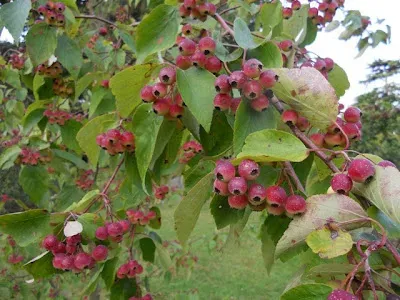
The Yunnan crabapple (Malus yunnanensis) is a deciduous tree belonging to the Rosaceae family. Native to the mountainous regions of southwestern China, it thrives at high altitudes and is well-known for its elegant form and foliage.
This species prefers deep, well-drained loamy soils that maintain adequate moisture levels. It does not tolerate waterlogged conditions, making proper soil preparation and drainage systems essential for healthy growth and long-term tree stability.
The climate requirements for Malus yunnanensis include cool, temperate conditions. It is relatively cold-hardy, although it benefits from sheltered locations that protect it from extreme winter winds and late spring frosts during the flowering period.
Cultural practices involve standard fruit tree maintenance, including mulching around the root zone to stabilize soil moisture. Periodic fertilization with balanced nutrients in early spring is recommended to support robust branch development and overall tree health.
Pruning should be performed during the dormant season to maintain the desired structure. Removing crossing or diseased branches improves airflow through the canopy, which is a key factor in reducing the incidence of foliage-related issues.
Yield
The fruit of the Yunnan crabapple is generally small and serves primarily as a food source for local wildlife or as a component in breeding programs. Its culinary use is limited compared to commercial apple varieties, but it has significant value in horticultural research.
Landscape use is where this species truly excels, prized for its vivid autumnal foliage and delicate spring blossoms. It is frequently planted as an ornamental specimen in parks and private gardens for its year-round aesthetic appeal.
Main diseases and pests
Like many members of the Malus genus, the Yunnan crabapple is susceptible to common diseases such as apple scab and powdery mildew. Maintaining high standards of orchard hygiene is vital to prevent these pathogens from establishing themselves.
Pest management focuses on controlling aphids and codling moths, which can cause cosmetic damage and reduce tree vigor. Implementing an integrated pest management strategy ensures the tree remains healthy and productive throughout its growth cycle.