
Purple transition apple
Malus x purpurea x Malus transitoria
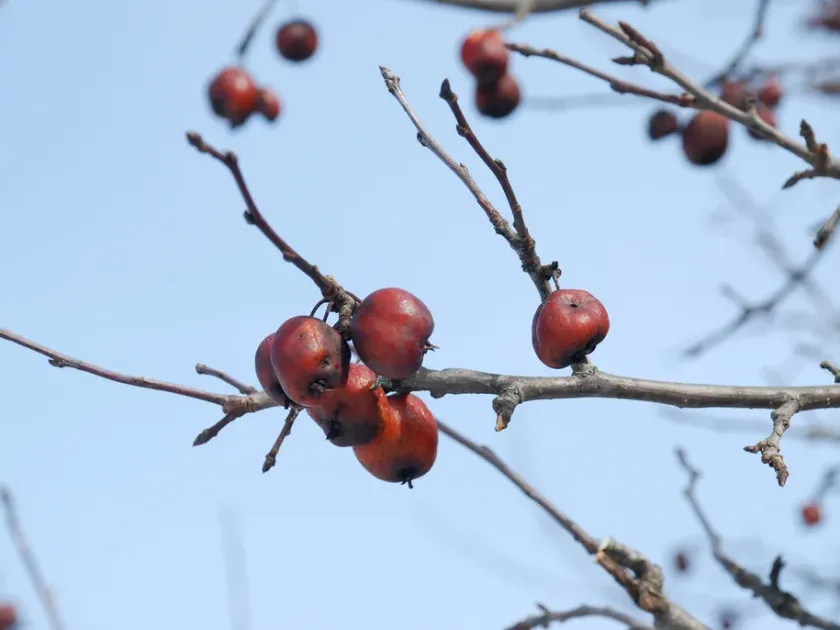
Description
Growing requirements
The purple transition apple is an ornamental hybrid belonging to the Rosaceae family. It is a cross between Malus x purpurea and Malus transitoria, resulting in a tree that displays stunning seasonal foliage changes and high aesthetic value in landscape architecture.
This tree performs best in full sun, which is essential to maintain the intense purple-to-bronze coloration of its leaves. Planting it in shaded locations will lead to greenish foliage and reduced flowering density, which undermines the primary ornamental purpose of the species.
Regarding soil requirements, the purple transition apple prefers deep, loamy, and well-drained soil with a slightly acidic to neutral pH level. It does not tolerate prolonged waterlogging, so ensuring an appropriate site selection or drainage system is crucial for longevity.
Standard horticultural practice includes deep watering during the establishment phase and regular mulching to retain soil moisture and prevent weed competition. As the tree matures, its drought tolerance increases, though it still appreciates consistent moisture in hot summer months.
The primary use of this tree is ornamental. It is widely used in parks, botanical gardens, and residential landscapes as a specimen plant or in decorative hedge rows. Its resilience to urban pollution makes it an excellent choice for city street planting.
Main diseases and pests
The species is susceptible to common apple diseases, most notably apple scab (Venturia inaequalis) and powdery mildew. These fungal infections are more prevalent in climates with high humidity, requiring careful management of canopy density through pruning.
Pests such as aphids, mites, and leafrollers can occasionally infest the foliage, particularly during the early spring flush of growth. Monitoring these populations is vital to ensure that the tree maintains its visual appeal throughout the summer season.
Pruning should be performed during the dormant winter period to remove dead or diseased wood. This practice promotes better airflow within the crown, which serves as a natural deterrent against fungal pathogens by allowing the foliage to dry out quickly after rain.
Preventative care involving balanced fertilization helps the tree withstand environmental stress. However, avoid excessive nitrogen applications, which can result in soft, succulent growth that is more prone to pest infestations and frost damage.
By integrating a program of integrated pest management (IPM) and basic sanitation, such as removing fallen debris, gardeners can effectively manage the health of the purple transition apple without extensive use of harsh chemical treatments.