
Carmine crabapple
Malus x atrosanguinea (hort. ex Späth) C. K. Schneid.
Description
Growing requirements
The Carmine crabapple (Malus x atrosanguinea) is a member of the Rosaceae family, recognized for its vibrant, deep-pink flowers and glossy foliage. It is a sterile hybrid originating from crosses between Malus halliana and Malus sieboldii, popular for ornamental use.
This species thrives best in full sun, which is essential for both prolific flowering and maintaining the intensity of its coloration. It requires well-drained, fertile, loamy soil with a neutral to slightly acidic pH to ensure optimal nutrient uptake and root development.
In terms of climate, the Carmine crabapple exhibits decent cold hardiness, making it suitable for temperate regions. However, it requires protection from desiccating winter winds in northern areas and should be planted in locations where spring frost is less likely to damage buds.
Cultural maintenance involves consistent irrigation during dry spells to prevent drought stress. Applying a layer of organic mulch around the base of the tree helps conserve soil moisture and suppresses weeds, creating a favorable microenvironment for the roots.
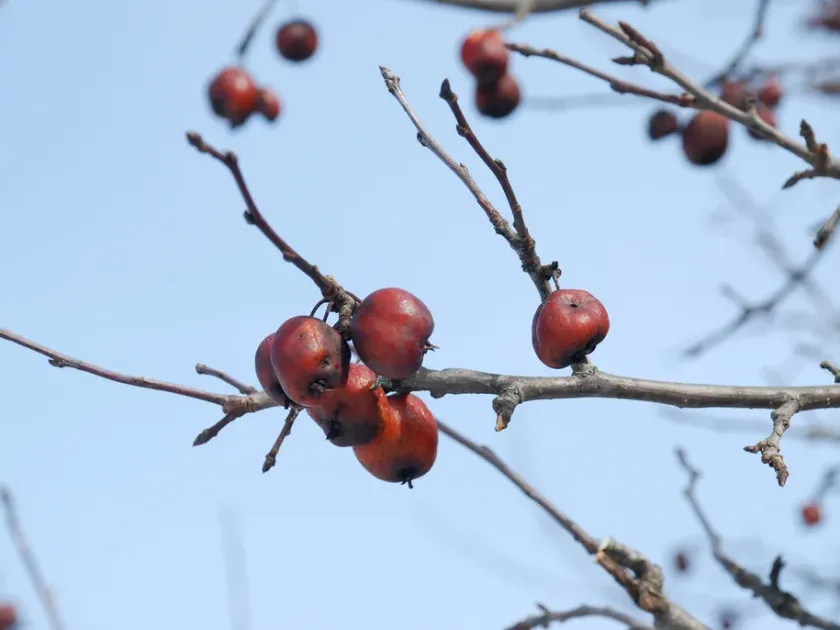
As an ornamental, it is frequently used as a feature tree in residential landscapes or as part of a hedge. Its small, dark fruits persist into winter, providing visual interest and sustenance for local wildlife, which adds to its ecological value.
Main diseases and pests
Carmine crabapples are susceptible to common pome fruit diseases, with apple scab being the most prevalent. Symptoms include dark, crusty spots on leaves and fruit, which can eventually lead to premature defoliation if left unmanaged.
Powdery mildew is another significant threat, particularly in humid or stagnant air conditions. It manifests as a white, powdery film on new leaves and shoots, stunting growth and reducing the overall aesthetic appeal of the tree.
Insect pests such as aphids and spider mites can infest the tree during warm, dry periods. Aphids typically colonize tender new growth, causing curling and yellowing, while mites may cause foliage to appear speckled and discolored.
Integrated pest management is recommended, starting with proper pruning to improve airflow. Using horticultural oils during the dormant season can effectively reduce the population of overwintering eggs of various pests.
If chemical intervention becomes necessary, timing is crucial. Applications should be targeted to the specific life cycle of the pest or pathogen to minimize the impact on beneficial insects, such as pollinators, which are attracted to the tree's spring blossoms.