
Astrakhan apple
Malus x astracanica hort. ex Dum. Cours.
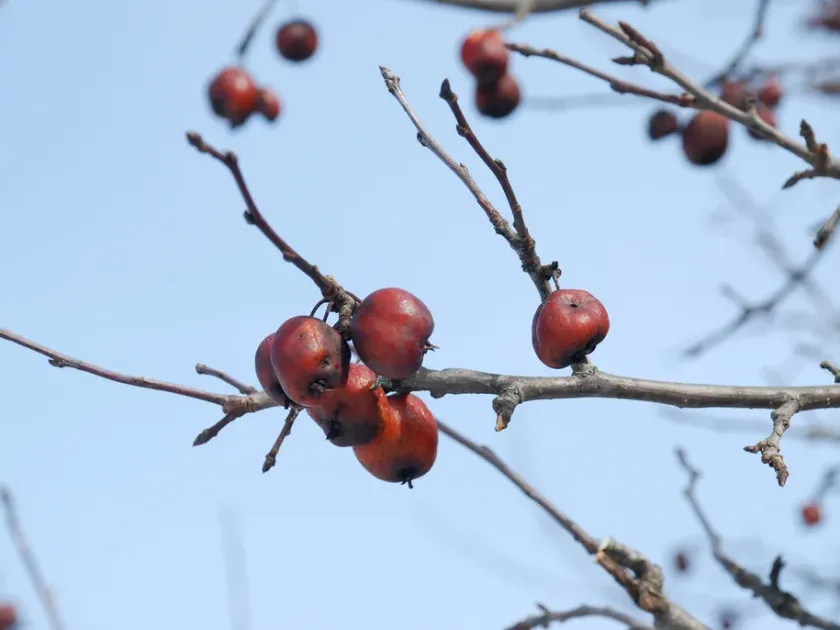
Description
Growing requirements
The Astrakhan apple (Malus x astracanica) belongs to the Rosaceae family. It is a traditional variety known for its adaptability and historical significance in fruit growing.
This crop thrives in well-drained, fertile soil and requires plenty of sunlight to ensure optimal fruit development and tree health.
The tree requires a temperate climate and is generally hardy, though it benefits from shelter against harsh winter winds to protect its wood and buds.
Adequate water management is essential, especially during the fruit-setting stage, to ensure juicy and well-developed apples.
Regular pruning is a vital part of the agrotechnical process, helping to maintain a manageable tree size and ensuring airflow to reduce disease pressure.
Yield
The Astrakhan apple tree typically enters the fruiting stage within 5 to 7 years after planting, depending on rootstock and site conditions.
Crop yield can be consistent with proper nutrition and maintenance, with the tree producing flavorful, aromatic fruit that is highly appreciated by consumers.
The apples are primarily used for fresh consumption, but they are also excellent for culinary purposes such as making compotes and baked goods.
Fruit productivity can fluctuate based on seasonal factors, but disciplined orchard management can mitigate these risks and stabilize annual yields.
The shelf life of the fruit is relatively short, which requires efficient logistics and timely harvest management to preserve quality.
Main diseases and pests
Apple scab and powdery mildew represent the primary fungal threats to this variety, necessitating vigilant monitoring during damp weather conditions.
Insect pests, most notably the codling moth, pose a significant risk by damaging the developing fruit and reducing overall crop quality.
Integrated pest management strategies, including monitoring and timely application of protective measures, are recommended for healthy orchards.
Sanitation practices, such as removing fallen leaves and damaged branches, are crucial for minimizing overwintering sites for pests and diseases.
- Use of pheromone traps for moth control
- Proper spacing to improve air circulation
- Regular monitoring of canopy health
Harvesting
Harvesting usually occurs during the summer months when the apples reach their peak flavor and color, requiring prompt action to prevent fruit drop.
Careful hand-picking is advised to avoid damaging the skin, as the fruit's delicate nature makes it prone to bruising during rough handling.
Once harvested, sorting is necessary to separate high-quality fruit from those that should be processed immediately rather than stored.
Storage should be conducted in cool conditions to slow the ripening process and maintain the freshness of the harvested apples.
Effective transportation, using cushioned crates, is essential to deliver the fruit to markets without compromising its structural integrity.