
Macrocybe
Macrocybe Pegler & Lodge
Macrocybe is a genus of large-bodied basidiomycete fungi belonging to the family Tricholomataceae. These mushrooms are known for their massive fruit bodies, which are highly valued for their density and substantial nutritional profile.
What the section contains

Macrocybe
Native to tropical and subtropical regions of the world, these fungi have adapted to warm, humid environments. Their natural distribution suggests that successful indoor cultivation requires mimicking these specific warm-climate conditions to trigger consistent fruiting.
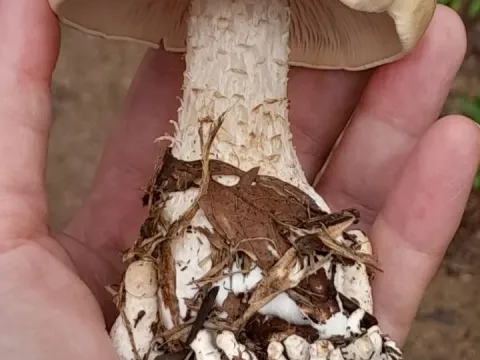
Botanically, Macrocybe mushrooms are characterized by thick, fleshy stipes and large pilei, typically lacking the ring structure found in many other agarics. The cap surface is usually smooth, with colors ranging from pristine white to pale cream, making them visually distinct.
Cultivation requirements involve the use of carbon-rich substrates, such as lignocellulosic waste products. Maintaining a temperature range between 25°C and 30°C is essential for mycelial expansion, along with high atmospheric humidity levels to prevent the drying of young primordia.
The commercial use of Macrocybe is primarily food-related. Due to their firm texture, which holds up well during cooking, they are considered a premium commodity in regional markets where they are successfully domesticated and sold as exotic fungi.
Fungal competition is the most significant threat to Macrocybe production. Species like Trichoderma can easily overwhelm a substrate if the inoculation environment is not strictly sterile, leading to total yield loss during the early stages of growth.
Pests such as sciarid flies and phorid flies are common invaders in mushroom facilities. Their larvae feed on both the mycelial mats and the developing fruit bodies, causing physical damage and significantly degrading the market quality of the harvest.
Bacterial blotch is a common issue caused by poor air circulation. When moisture remains on the surface of the caps for too long, bacteria thrive, leading to soft rot and discoloration, which renders the mushrooms unsellable for retail purposes.
To mitigate these threats, growers must implement rigorous sanitation protocols, including the thorough pasteurization of growing media and the use of air filtration systems. Proper substrate management is the first line of defense against most soil-borne pathogens.
Integrated pest management (IPM) strategies, including biological control agents and mechanical traps, are preferred over chemical interventions. Maintaining optimal airflow and moisture management is the most effective way to prevent the establishment of disease and pest populations.