
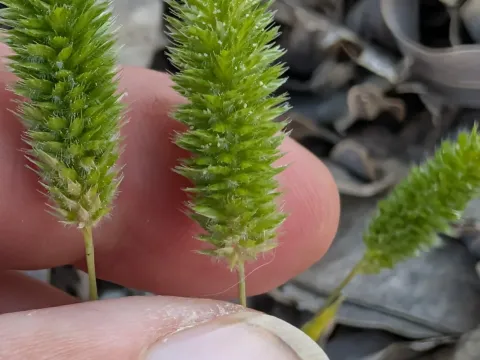
Lophochloa
Lophochloa
Lophochloa is a genus of annual grasses belonging to the Poaceae family. These plants are typically known for their ability to thrive in arid and semi-arid environments, acting as ephemeral components of natural grasslands and meadows.
What the section contains


Lophochloa
Botanically, Lophochloa species are characterized by their narrow, paniculate inflorescences and a rapid life cycle. This physiological adaptation allows the plant to complete its reproductive stage before the onset of the severe summer heat characteristic of its native ranges.
The plant demonstrates remarkable tolerance to various soil conditions, including saline and sandy substrates. It performs best in well-drained soils where competition from taller, perennial grass species is limited during the early spring growing season.
Climate requirements for Lophochloa include moderate spring temperatures and sufficient rainfall to support initial establishment. Once temperatures rise, the plant matures quickly, often entering dormancy or senescence to survive extreme drought.
In terms of agricultural management, Lophochloa is primarily utilized as a forage resource. It is often included in seed mixtures for rangeland improvement, providing essential biomass during the early grazing season when other crops are still dormant.
Common diseases affecting Lophochloa include rusts and powdery mildew, which are generally more prevalent during seasons with higher than average precipitation.
Pests such as cereal aphids and specific seed-feeding insects can cause localized damage, particularly affecting the seed yield if the crop is being grown for propagation purposes.
Given its short growing season, the plant is relatively resilient to heavy pest infestations, as it often completes its development before insect populations reach peak density.
Improper soil drainage and waterlogging are significant threats to the root health of Lophochloa, often leading to physiological stress and increased susceptibility to opportunistic fungal pathogens.
Good agricultural practices, such as choosing the right sowing density and maintaining proper field sanitation, effectively mitigate most risks associated with disease outbreaks.