
Lophochloa pumila
Lophochloa pumila
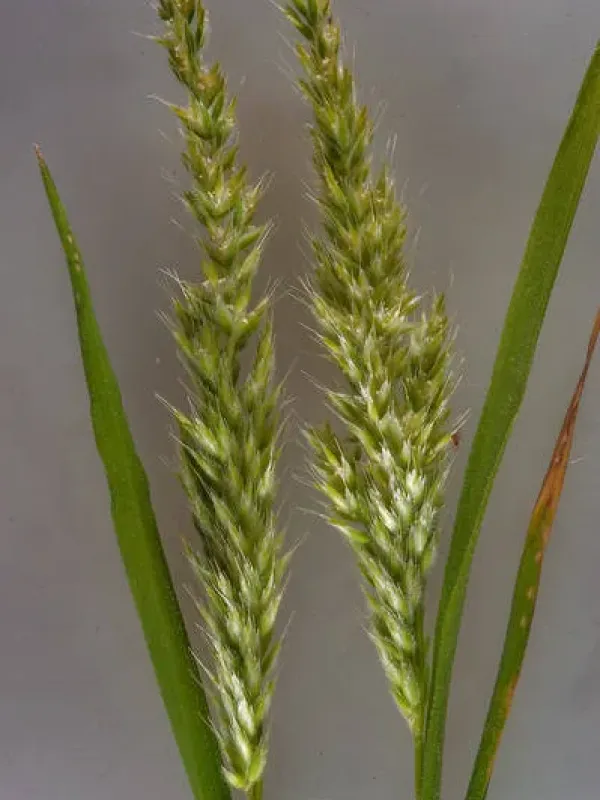
Description
Growing requirements
Lophochloa pumila, commonly known as dwarf spike-grass, is an annual grass species belonging to the Poaceae family. It is recognized for its ability to thrive in harsh, arid, and semi-arid environments where water availability is the primary limiting factor.
Native to the Mediterranean region, North Africa, and parts of the Middle East, this plant has adapted to survive by completing its life cycle during the brief rainy seasons. Its distribution is closely linked to sunny, open landscapes and sandy or stony substrates.
Botanically, it is a small, ephemeral grass with slender stems and leaves designed to minimize water loss. The plant exhibits high phenotypic plasticity, allowing it to modulate its growth rate based on the fluctuating environmental conditions of its habitat.
It thrives in soils with excellent drainage and neutral to slightly alkaline pH levels. It is highly intolerant of waterlogging and heavy clay soils, which can lead to root rot and stunted development during the germination phase.
In agricultural practice, it is primarily utilized as a forage component in extensive grazing systems. It provides early-season green fodder, which is vital for maintaining livestock health in regions with significant seasonal feed shortages.
Main diseases and pests
The primary pathological threats to Lophochloa pumila include various rust fungi that can infect the foliage during damp, cool springs, significantly reducing the nutritional quality of the forage.
Insect pests such as aphid colonies and certain coleopteran species can cause direct feeding damage to the stems and spikelets, impacting the plant's ability to produce seeds for the next season.
Improper grazing management represents a significant threat; if the intensity is too high before the plants have shed their seeds, the regeneration potential for the following year is severely compromised.
Encroachment by invasive, non-native weed species poses a constant risk to the persistence of Lophochloa pumila in natural and managed rangelands.
Environmental stress, particularly prolonged drought during the early growth stages, remains a persistent threat that limits total dry matter yield and plant density in field conditions.