
Lophochloa hispida
Lophochloa hispida
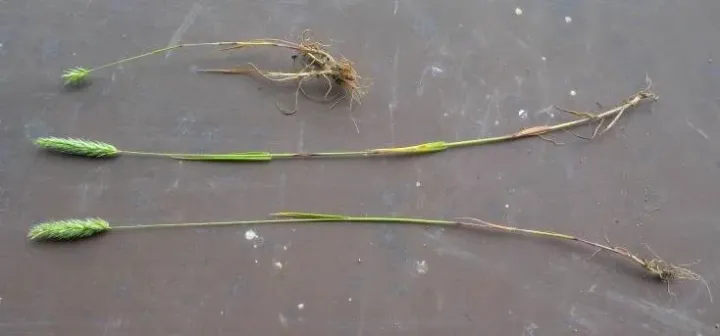
Description
Sowing dates
The optimal sowing time for Lophochloa hispida is early spring, immediately following the last frost. This timing ensures that the seeds have access to residual moisture from winter precipitation, which is crucial for successful establishment in dry environments.
Seeds should be sown at a shallow depth of approximately 1 to 2 centimeters. Because the seeds are small, precise drilling equipment or careful broadcasting followed by light harrowing is recommended to prevent the seeds from being buried too deep.
Seeding rates typically range from 10 to 14 kilograms per hectare, depending on the desired density and soil fertility. Higher rates may be used in pasture restoration projects to quickly cover bare soil and suppress invasive weed species.
Fertilization with nitrogen at the seedling stage encourages faster leaf development and root expansion. However, farmers should monitor soil fertility levels to avoid excessive growth that might result in lodging before the seeds mature.
Post-sowing rolling is highly beneficial for this species. Firming the soil surface around the seed improves the capillary rise of water, which significantly enhances germination rates during periods of limited rainfall.
Growing requirements
Lophochloa hispida is a species of grass in the Poaceae family. It is primarily known for its adaptation to semi-arid environments, where it thrives in open, sunny locations with well-drained soils. This annual grass is a resilient component of Mediterranean and steppe plant communities.
The plant possesses a robust root system, allowing it to efficiently extract moisture and nutrients from diverse soil types, including sandy and light loams. Its growth habit is characterized by moderate tufting, which provides effective soil cover in arid regions.
Climate requirements for Lophochloa hispida include ample sunlight and warmth, which are essential for its vigorous vegetative development. The species is highly tolerant of drought but shows decreased growth when exposed to prolonged periods of waterlogging or deep shade.
In agricultural practice, this grass is valued for its early-season biomass production. Its ability to complete its life cycle during the cooler, moister spring months makes it a valuable resource for replenishing grazing stocks when other fodder crops may not yet be established.
Soil management for this crop involves maintaining a neutral pH and ensuring that the soil is not overly compacted, as the seeds require good soil contact for germination. Proper site selection is critical for maximizing its forage potential.
Main diseases and pests
Lophochloa hispida can be susceptible to fungal diseases such as leaf rust and powdery mildew, especially in areas where stagnant, humid air persists within the crop canopy. Good management practices, including proper plant spacing, are essential to minimize risk.
Insect pests, such as aphids and cereal leaf beetles, may occasionally attack the plants. These pests can reduce the nutritional quality of the forage if their population density reaches high levels, making early detection vital for crop health.
Prevention strategies emphasize the importance of crop rotation and field sanitation. Removing alternative hosts for diseases and pests from the field perimeter significantly lowers the pressure on the primary crop during its critical vegetative phase.
Integrated Pest Management (IPM) techniques should be prioritized over broad-spectrum chemical treatments. By maintaining a balanced ecosystem within the field, natural predators can often keep minor pest populations below damaging levels.
Regular scouting for early symptoms of wilting, discoloration, or abnormal spots on the leaves is recommended for all producers. Early identification allows for targeted interventions that are both cost-effective and environmentally friendly.
Harvesting
Harvesting for forage is best conducted during the late vegetative phase, just before the plant enters the peak of its flowering period. This ensures the optimal balance between high dry matter yield and peak nutritional value for livestock.
Mowing should be performed at a moderate stubble height to encourage regrowth if multiple cuttings are expected during a single season. Cutting too low can damage the crown of the plant, potentially slowing down the recovery process.
After mowing, the forage should be dried in the field before baling or storage. Rapid drying is preferred to prevent the loss of nutrients caused by leaching or excessive exposure to sunlight, which can lower the overall quality of the hay.
If the objective is seed production, the harvest must be delayed until the seed heads are fully mature but before natural shattering occurs. Harvesting during the early morning hours can help minimize seed loss due to wind and handling.
Proper storage of the harvested material is essential to prevent mold growth. Keeping the moisture content of the final product below 15 percent is critical for maintaining long-term stability and ensuring safe storage in barns or sheds.