
Lomatia hirsuta
Lomatia hirsuta
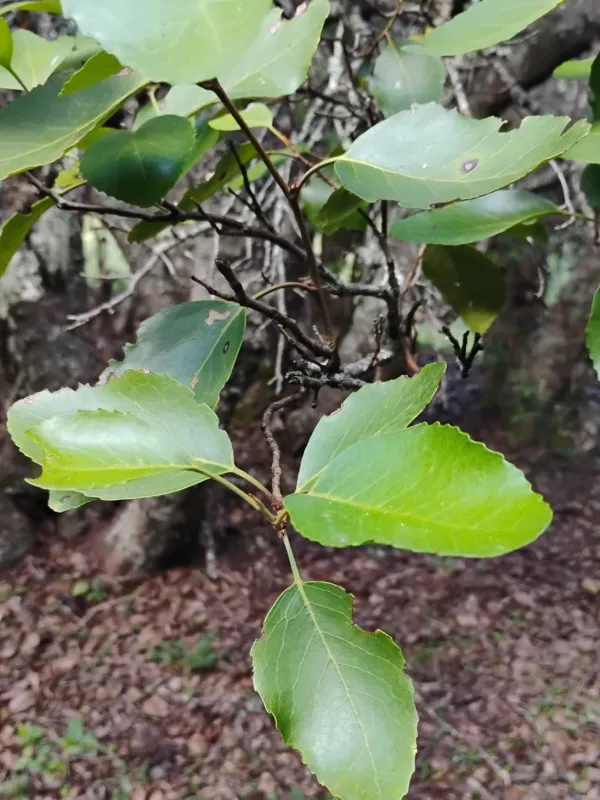
Description
Growing requirements
Lomatia hirsuta is an evergreen shrub or tree belonging to the Proteaceae family. It is native to the temperate forests of southern Chile and Argentina, where it is known for its resilience and unique aesthetic appeal.
In terms of growth requirements, this species thrives in well-drained, acidic to neutral soils. It is essential to ensure that the site has excellent drainage, as the roots are highly susceptible to rot if allowed to sit in waterlogged soil.
The plant performs best in a climate with mild summers and cool winters. While it can handle some frost, extreme cold exposure can damage young stems, necessitating protection in colder temperate zones.
Cultivation practices should focus on maintaining a steady moisture level without overwatering. Mulching is highly recommended to protect the root zone and stabilize soil temperature throughout the seasons.
Economically, Lomatia hirsuta is valued primarily for its ornamental use in landscaping. Its dense foliage and interesting structure make it an excellent choice for hedge planting or as a focal point in specialized gardens.
Main diseases and pests
Root rot, specifically caused by Phytophthora species, is the most common threat to this plant. It usually occurs in heavy, poorly drained soils, making site preparation the most critical aspect of disease prevention.
Pest threats include scale insects and aphids, which may cluster on the tender new growth during the spring flush. Monitoring and early intervention with horticultural soaps or oil sprays can effectively manage these populations.