
Lithocarpus wallichianus
Lithocarpus wallichianus
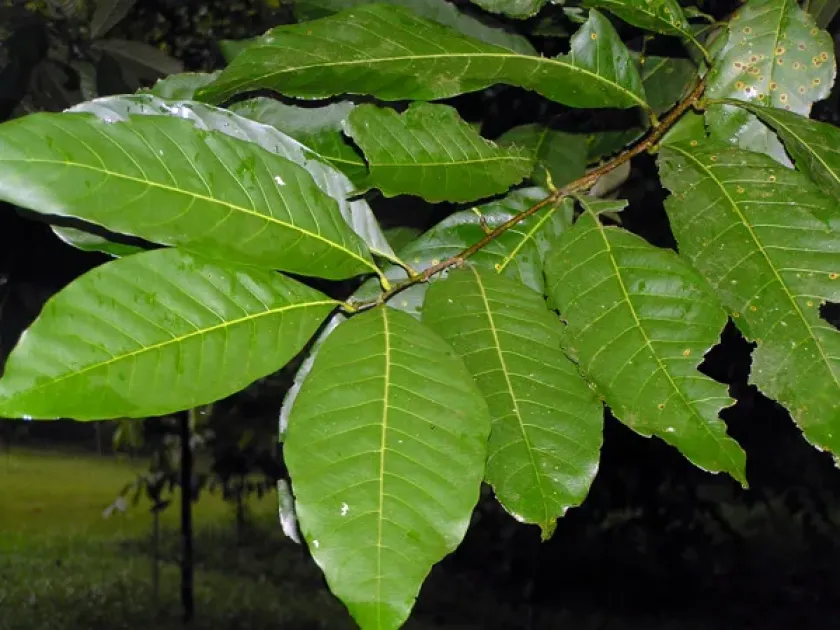
Description
Growing requirements
Lithocarpus wallichianus is a notable member of the Fagaceae family, commonly found in the tropical regions of Southeast Asia. It is an evergreen species recognized for its robust growth and dense canopy formation in forest environments.
The native habitat includes humid tropical forests, where the tree thrives under consistent high temperatures and significant rainfall. It is perfectly adapted to the biological cycle of rainforest ecosystems.
In terms of soil requirements, the species prefers well-drained, nutrient-rich substrates that can retain moderate moisture without waterlogging. Proper soil preparation is essential for establishing strong root systems in young saplings.
Agricultural management requires careful attention to climate conditions, as this tree is not frost-tolerant and demands stable environmental parameters. Mulching and organic fertilization are recommended to maintain soil fertility over time.
The economic value of this tree is derived primarily from its timber. The wood is appreciated for its strength and durability, making it suitable for high-quality carpentry, construction, and specialized industrial uses.
Main diseases and pests
Fungal infections are among the most significant threats to Lithocarpus wallichianus, especially when environmental conditions favor moisture retention in the foliage.
Root rot pathogens are a persistent danger in poorly drained plantation areas, often leading to rapid decline in plant health and potential mortality.
Various wood-boring beetles can cause extensive damage to the tree trunk, impacting both the structural integrity of the timber and the overall lifespan of the tree.
Integrated pest management strategies are crucial for maintaining healthy plantations, including regular monitoring and the use of site-appropriate biological controls.
Maintaining proper tree spacing is a primary cultural practice that helps reduce the spread of diseases by ensuring adequate airflow through the tree crowns.