
Lithocarpus conocarpus
Lithocarpus conocarpus
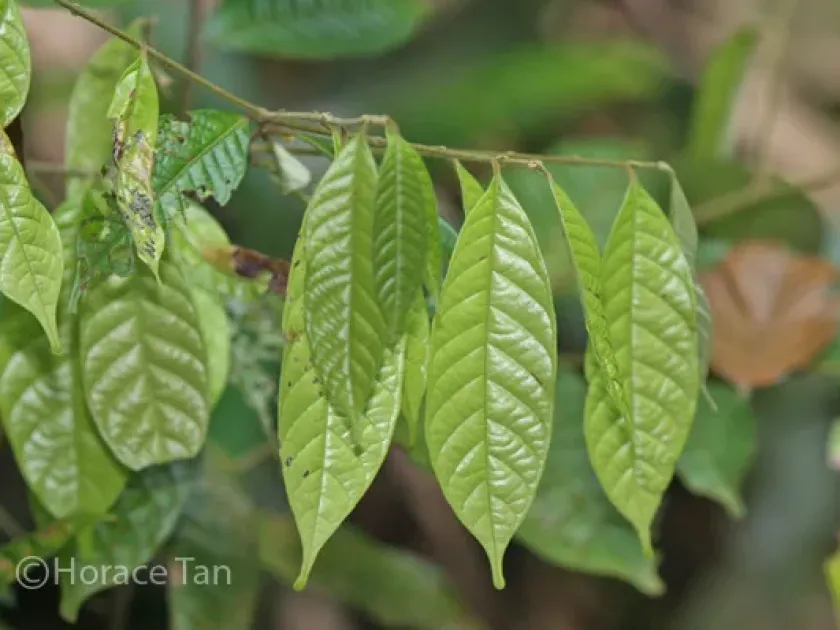
Description
Sowing dates
Lithocarpus conocarpus belongs to the Fagaceae family and is commonly propagated via seeds in forestry nurseries. Freshly collected seeds are essential for high germination rates.
Sowing should coincide with the onset of the rainy season to ensure the constant soil moisture levels required for the development of the primary root system.
The growing medium must be well-draining, rich in organic matter, and slightly acidic, which mimics the natural forest floor conditions of its native habitat.
Seeds are sown at a depth of 2–3 centimeters. Protection from direct sunlight is crucial during the early stages of seedling emergence to prevent dehydration.
Seedlings are typically kept in nursery conditions for 12 months before being outplanted, ensuring they reach a robust size to withstand environmental stressors.
Growing requirements
Lithocarpus conocarpus thrives in humid tropical and subtropical mountain climates, where air moisture remains high throughout the year.
It prefers deep, fertile, well-draining loam soils. Waterlogging should be strictly avoided as it can inhibit root development and promote fungal infections.
While the tree is tolerant of varying light conditions, it performs optimally in areas with filtered sunlight or light shade during the juvenile growth phase.
The tree is adapted to a wide altitudinal range, specifically favoring areas between 500 and 2000 meters above sea level where the climate remains temperate.
Maintenance of soil pH balance is recommended for optimal nutrient uptake, as the species is sensitive to extreme alkalinity or nutrient deficiency.
Yield
The primary economic output of Lithocarpus conocarpus is its dense, durable hardwood, which is highly sought after for high-end carpentry and flooring.
The wood's strength makes it an excellent choice for construction timber, furniture, and tools that require high resistance to wear and tear.
Beyond timber, the species contributes to forest carbon sequestration and supports biodiversity by providing food in the form of acorns for native fauna.
Sustainable management of these plantations requires careful thinning intervals to maximize the diameter growth of the remaining stand for commercial use.
The economic value is long-term, as the species grows at a steady pace, producing premium timber that justifies the extended silvicultural investment.
Main diseases and pests
Fungal pathogens causing root rot are the primary threat, especially in sites where drainage is inadequate or seasonal rainfall is extreme.
Insects that defoliate the canopy can reduce the tree's photosynthetic capacity, leading to stunted growth if left unmanaged during early development.
Stem borers pose a significant risk to mature trees, potentially causing structural damage that lowers the commercial value of the timber.
Rodents and local wildlife can damage nursery seedlings, necessitating the use of protective netting or fencing during the establishment phase.
- Root rot pathogens
- Defoliating insect pests
- Stem borer infestation
- Environmental stress from drought