
Lithocarpus amygdalifolius
Lithocarpus amygdalifolius
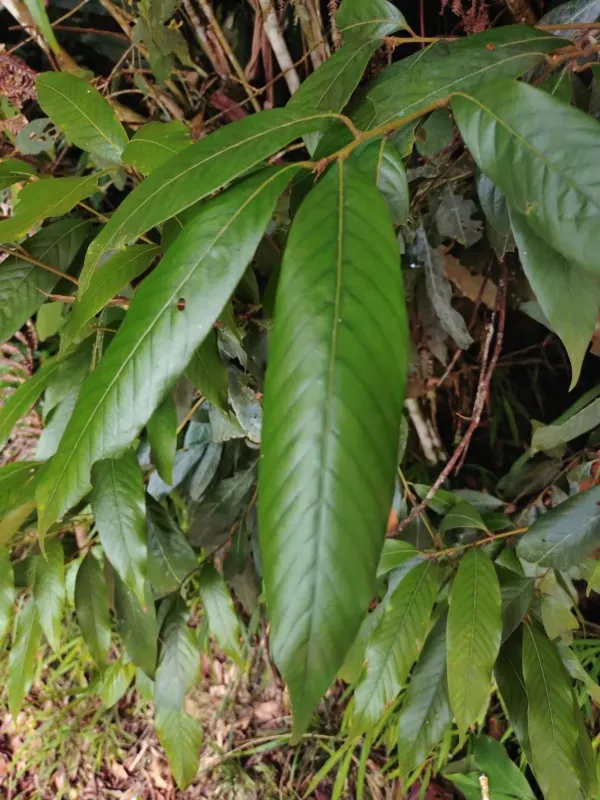
Description
Growing requirements
Lithocarpus amygdalifolius is an evergreen tree species belonging to the Fagaceae family, native to the subtropical regions of East Asia. This species is typically found in high-altitude forests where humidity levels remain high throughout the year.
Regarding soil requirements, the plant thrives in well-drained, acidic to neutral loamy soils. It is highly sensitive to waterlogged conditions, which can lead to root system decay, thus adequate soil structure and drainage are critical for healthy establishment.
The climate preference for this species is a mild subtropical environment. While it can handle occasional cold spells once matured, juvenile trees require protection from strong winds and frost to ensure survival and proper development during the early years.
Agronomic practices for Lithocarpus amygdalifolius include regular mulching to preserve moisture and suppress competing weeds. Organic fertilization should be applied in early spring to support the steady vegetative growth that this slow-growing species exhibits.
Light management is essential, especially for nursery-stage trees which require partial shade to avoid leaf scorch. As the trees mature, they become more tolerant of direct sunlight, but they still benefit from consistent moisture levels in the root zone.
Yield
The economic potential of Lithocarpus amygdalifolius lies in its timber production, which is prized for its high density and durability. It is a long-term investment, with timber harvesting occurring after several decades of growth.
The tree also produces nuts, which contribute to the ecological and nutritional value of the forest landscape. While yield varies depending on the age and vigor of the individual trees, consistent management can optimize seed production.
Productivity is enhanced through systematic forest management, including thinning and competition control. Such practices ensure that individual specimens have enough space and resources to reach their maximum size and fruit-bearing potential.
Integration into agroforestry systems allows for erosion control on sloping lands. The robust root system of the lithocarpus helps stabilize the terrain, making it a valuable species for environmental remediation and soil conservation projects.
Economic returns are realized through the combination of sustainable timber logging and the harvest of nut products. Strategic planning of plantations is necessary to balance short-term resource maintenance with long-term capital accumulation.
Main diseases and pests
The primary threat to the health of Lithocarpus amygdalifolius is the development of root and collar rot caused by fungal pathogens in poorly drained soils. Preventing soil compaction and ensuring adequate aeration are the best preventive measures against these infections.
Various insect pests, including leaf-miners and wood-boring beetles, can negatively impact tree health. A monitoring program is recommended to identify early signs of infestation and to apply targeted control measures when necessary.
Abiotic stresses, such as prolonged drought or extreme temperature fluctuations, can weaken the trees, making them more susceptible to opportunistic diseases. Proper irrigation during dry spells is essential to maintain the tree's natural resilience.
Spring frosts present a risk to new growth, potentially causing deformities in the crown architecture. Selecting sheltered planting sites or using protective covers for younger specimens can mitigate the impact of unpredictable climate events.
Sanitation measures, such as the prompt removal of dead or diseased branches, help to minimize the spread of fungal spores within the plantation. Maintaining a healthy balance in the forest ecosystem is crucial for the long-term success of the cultivation.