
Celebes stone oak
Lithocarpus celebicus
Description
Growing requirements
Lithocarpus celebicus, commonly known as the Celebes stone oak, is a notable species within the Fagaceae family. As a relative of the oak tree, it shares many morphological characteristics while thriving exclusively in tropical ecosystems.
The native range of this tree is concentrated in the tropical rainforests of Southeast Asia, particularly Sulawesi. It requires a stable tropical climate characterized by high humidity and consistent precipitation throughout the year.
Regarding soil requirements, the species prefers deep, nutrient-rich substrates with efficient internal drainage. It does not tolerate prolonged waterlogging, which can lead to rapid decline of the root system.
Optimal growth is achieved in environments where temperatures consistently range between 22°C and 30°C. Being a strictly tropical species, it possesses no cold hardiness and must be sheltered from any frost.
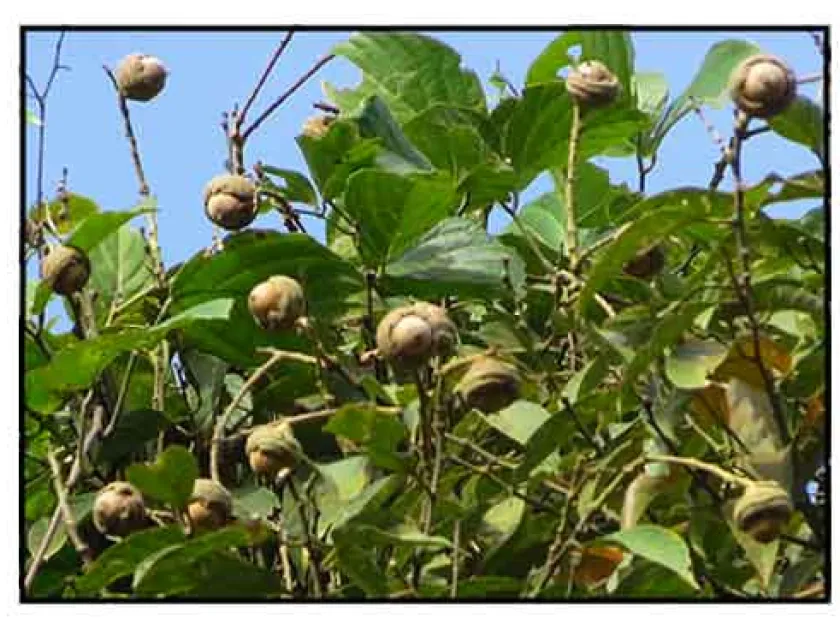
Botanically, it is characterized by sturdy, evergreen foliage and the production of acorns seated in a cupule, which provides high ecological value for local wildlife.
Yield
The primary economic focus for Lithocarpus celebicus is timber production. The wood is prized for its high density and strength, making it suitable for high-quality furniture making and heavy-duty construction tasks.
Acorns, although often containing bitter tannins, have historical uses as a supplemental food source for livestock. Modern processing methods aim to detoxify the seeds for better nutritional utilization in local agriculture.
The productivity of managed forests depends on silvicultural practices, including proper spacing and thinning, which ensure that individual trees receive adequate light and nutrient resources.
Beyond wood, the species contributes significantly to forest restoration efforts. Its ability to create dense canopies helps to regulate microclimates and stabilize soils in mountainous terrain.
In ornamental horticulture, the Celebes stone oak is valued for its majestic stature and longevity, serving as a primary canopy component in tropical landscape architecture.
Main diseases and pests
Fungal root diseases are the most critical threats to this species, usually facilitated by poor soil aeration or excess moisture. Implementing robust drainage systems is the primary defense strategy.
Stem-boring insects pose a significant challenge to commercial timber production by creating galleries in the heartwood. Integrated pest management, focusing on early detection, is essential.
Seed-predatory beetles can cause severe losses in natural regeneration by destroying the acorns before they reach maturity, impacting the long-term sustainability of the stand.
Defoliating caterpillars can cause substantial growth inhibition in younger trees, necessitating manual monitoring or targeted biological control methods during seasonal outbreaks.
- Maintain proper soil aeration levels.
- Perform regular bark and stem inspections.
- Monitor acorn development during fruiting seasons.