
Lithocarpus sundaicus
Lithocarpus sundaicus
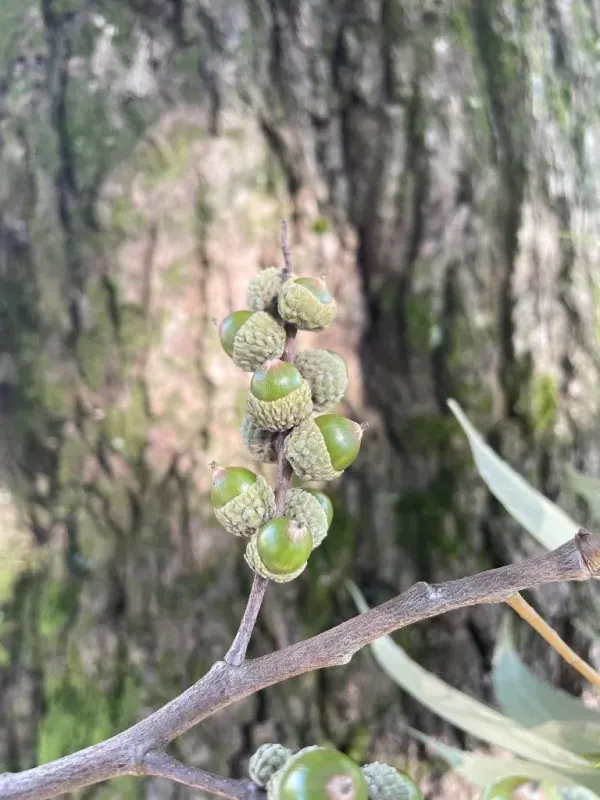
Description
Growing requirements
Lithocarpus sundaicus is a notable evergreen tree species belonging to the Fagaceae family. Naturally occurring throughout Southeast Asia, this species thrives within the complex ecosystems of tropical rainforests, contributing significantly to the structural biodiversity of these regions.
The cultivation of this species requires a stable tropical climate characterized by high humidity and consistent warmth. It performs best in nutrient-rich, well-draining soils that mimic the organic-rich environment of its native woodland habitat.
From a botanical perspective, Lithocarpus sundaicus is recognized for its robust growth habit and leathery foliage, which are evolutionary adaptations to high-precipitation environments. Its root system is designed to stabilize the tree in competitive forest floor settings.
Successful management of this crop involves protecting young saplings from excessive solar radiation, as they exhibit significant shade tolerance during their early developmental stages. Regular soil nutrient maintenance and careful monitoring of moisture levels are recommended for optimal growth.
Economically, this species is valued for its dense, durable wood, which is utilized in local construction and traditional woodworking. Furthermore, it plays a vital role in forest rehabilitation efforts and sustainable timber management programs in its native range.