
Lithocarpus pachyphyllus
Lithocarpus pachyphyllus
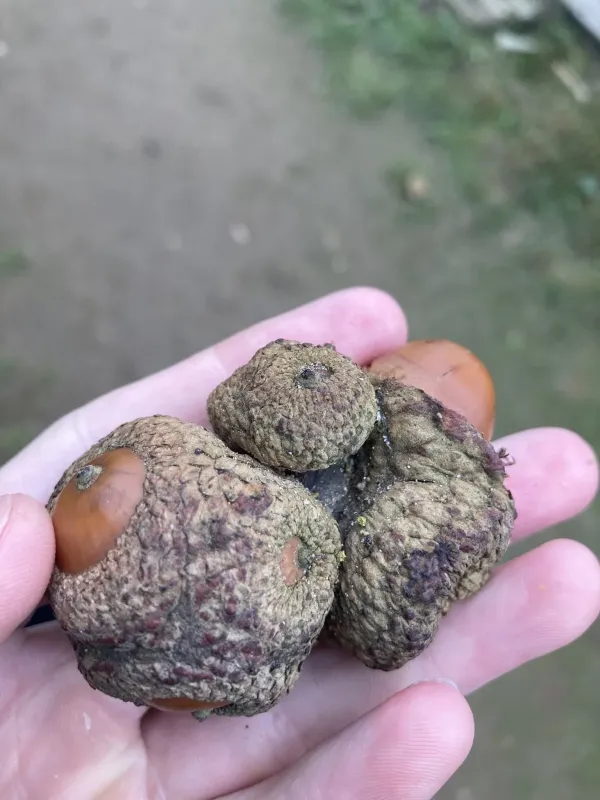
Description
Growing requirements
Lithocarpus pachyphyllus is a prominent member of the Fagaceae family, characterized by its thick, leathery evergreen leaves. Native to the mountain regions of Southeast Asia, this tree species is well-adapted to high-altitude subtropical forest ecosystems.
The cultivation of this species requires a climate with consistent humidity and moderate temperatures throughout the year. It does not tolerate prolonged frost or extreme drought, necessitating careful site selection in areas that mimic its natural habitat.
Soil requirements involve deep, well-drained, and nutrient-rich substrates, preferably with a slightly acidic profile. The species thrives in areas with high organic matter content, which supports the complex root systems typical of this genus.
Agricultural management should prioritize the preservation of topsoil and the maintenance of natural mycorrhizal associations. Proper spacing is essential to ensure adequate canopy development and to reduce competition between neighboring trees in forest plantations.
Economic use of Lithocarpus pachyphyllus is primarily focused on sustainable timber harvesting and reforestation projects. The wood is highly valued for its durability and structural integrity, making it useful for high-quality furniture and outdoor construction.
Main diseases and pests
The primary threats to this species include root pathogens such as Phytophthora, which thrive in waterlogged soil conditions. Implementing proper drainage systems is the most effective way to prevent these detrimental fungal infections.
Insect pests, including various wood-boring beetles, represent a significant concern for the vitality of the tree. Effective pest management involves periodic forest health surveys to detect early signs of infestation and to remove weakened or diseased trees.