
Lithocarpus henryi
Lithocarpus henryi
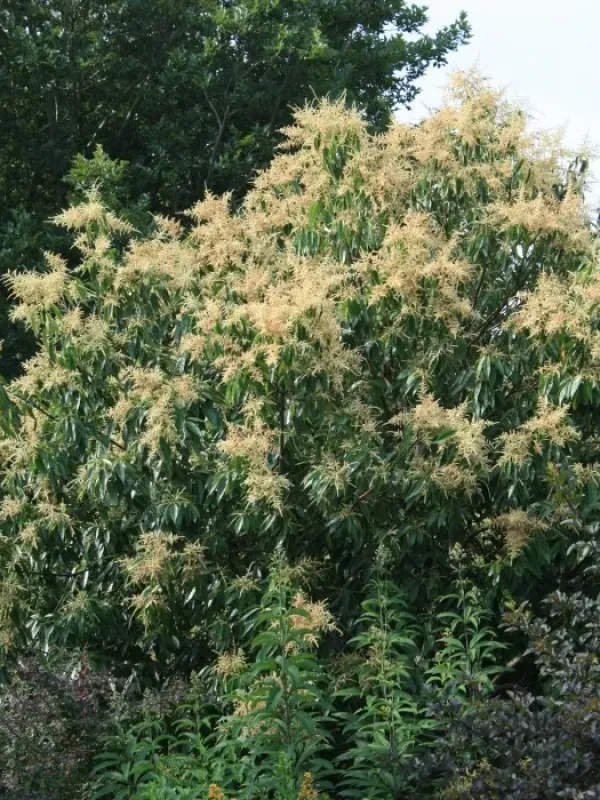
Description
Growing requirements
Lithocarpus henryi, commonly known as Henry's stone oak, is an evergreen tree species belonging to the Fagaceae family. It is native to the temperate and subtropical forests of China.
The tree thrives in deep, fertile, and well-drained soils. It prefers a slightly acidic environment and cannot tolerate heavy, waterlogged clays, which lead to root asphyxiation and poor growth.
Climate requirements include mild winters and consistent moisture levels. While the species is somewhat adaptable, it requires protection from harsh, drying winds that can damage its glossy foliage.
Full sun to partial shade is ideal for this tree. In its juvenile stage, Lithocarpus henryi benefits from protection against direct scorching sunlight to allow for steady canopy development.
Agronomic management involves mulching to maintain soil moisture, regular irrigation during dry spells, and moderate nitrogen feeding in the spring to encourage robust new growth.
Yield
The primary use of Lithocarpus henryi is in ornamental landscaping, where it is prized for its dense, evergreen foliage and elegant architectural form throughout the year.
The timber of this species is notably durable and dense, historically utilized for high-quality wood products, cabinetry, and structural components that require long-term resilience.
Ecologically, the tree serves as a valuable resource for local wildlife, providing acorns as a food source, which contributes to the maintenance of biodiversity in its native habitat.
Given its relatively slow growth rate, the culture is better suited for long-term landscaping projects or botanical collections rather than intensive, short-rotation timber production.
Optimal growth performance is achieved when the tree is provided with sufficient spacing to allow for its natural wide-spreading crown to develop fully without inter-tree competition.
Main diseases and pests
Root rot, primarily caused by phytophthora species, is a significant threat to Lithocarpus henryi, especially in soils with inadequate drainage or prolonged saturation.
Powdery mildew can infect the leaves during periods of high humidity and poor air circulation, reducing the aesthetic appeal and photosynthetic efficiency of the plant.
Insects such as scale insects and aphids may occasionally infest young terminal growth, necessitating monitoring and the application of horticultural oils or systemic insecticides.
Boring insects can attack the trunk if the tree is experiencing environmental stress. Maintaining optimal tree health is the best defense against these internal pests.
Regular sanitation, including the removal of dead or diseased branches, is vital to prevent the spread of fungal spores and to ensure the overall longevity of the specimen.