
Smooth tanbark-oak
Lithocarpus glaber
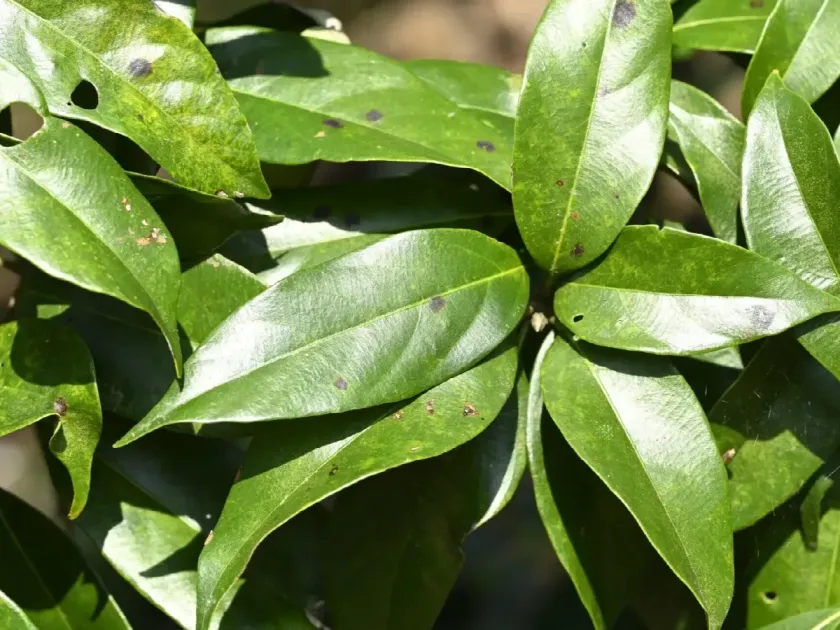
Description
Growing requirements
Lithocarpus glaber, commonly known as the smooth tanbark-oak, is an evergreen hardwood tree belonging to the Fagaceae family. Native to the forests of East Asia, it is recognized for its glossy, dark green foliage and strong, enduring wood structure.
This species thrives in temperate to subtropical climates and requires fertile, well-drained soil with a slightly acidic pH. It performs best when planted in areas that provide protection from harsh winter winds and excessive frost.
Agricultural management of the species involves ensuring adequate soil moisture without allowing waterlogging. During the early years of development, trees benefit from organic mulch to maintain root temperature and moisture levels.
In terms of light exposure, the plant prefers partial shade or dappled sunlight, particularly when young. As it matures, it can tolerate more exposure, provided the moisture requirements are adequately met during hot summer months.
Its primary economic use is ornamental, often utilized in landscaping to provide dense, evergreen coverage in parks and gardens. The wood is also utilized in fine woodworking due to its high density and relative resistance to decay.
Main diseases and pests
Root rot is the most significant threat to Lithocarpus glaber, primarily caused by excessive soil moisture and poor drainage. Ensuring that the planting site has excellent soil permeability is critical for long-term survival.
Pests such as scale insects can cause damage by feeding on the sap of the tree, potentially leading to stunted growth. Effective control involves manual cleaning or the application of horticultural oils during the dormant season.
Fungal leaf spot diseases can become problematic in humid environments with poor air circulation. Pruning should be used to thin the canopy, allowing light and air to penetrate the interior foliage.
Treatment for persistent fungal infections requires the use of systemic fungicides applied at the first sign of leaf discoloration. Always follow the manufacturer's guidelines for dosage and application frequency.
Maintaining tree vigor through balanced fertilization and proper hydration is the best defense against secondary infections. Healthy trees possess natural defenses that minimize the risk of severe infestations.