
Lithocarpus encleisocarpus
Lithocarpus encleisocarpus
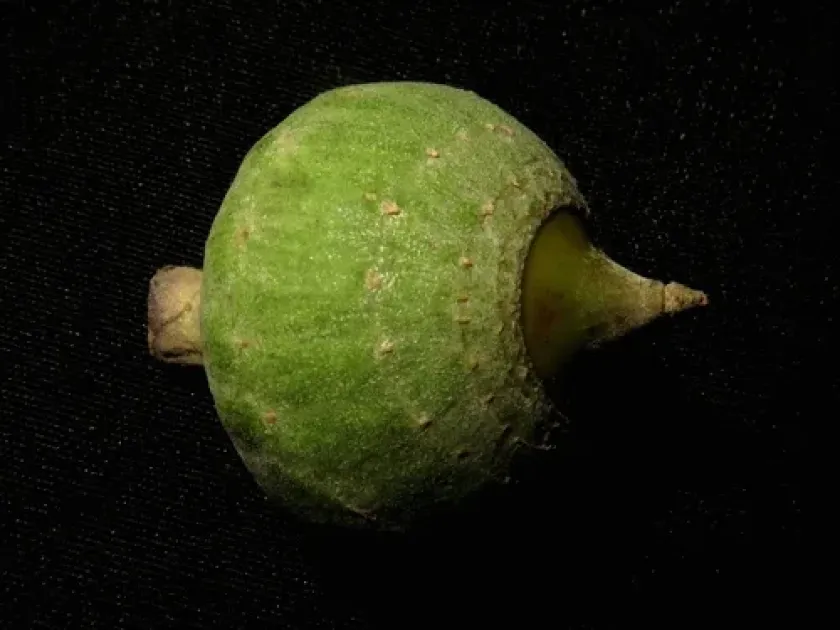
Description
Growing requirements
Lithocarpus encleisocarpus is a prominent evergreen tree species belonging to the Fagaceae family. It is distinct for its robust botanical structure and is often studied within the context of tropical forest ecology and sustainable timber production.
The native range of this species is centered in the tropical forests of Southeast Asia. It thrives in high-humidity environments where precipitation levels are consistent throughout the year, supporting a continuous growth cycle without a seasonal dormant phase.
Soil requirements for optimal growth involve deep, well-draining loam that is rich in organic debris. The species shows a strong preference for slightly acidic to neutral soil pH, which is typical for the forest soils in its native habitat regions.
Climate conditions must remain tropical, with temperatures generally ranging between 22°C and 30°C. The plant cannot withstand frost, making it unsuitable for cultivation in temperate zones without strict greenhouse climate control measures.
In terms of usage, the timber is prized for its strength and durability. Additionally, the acorns of this genus have historically been utilized in local subsistence, provided that appropriate processing techniques are used to extract bitter tannins.
Main diseases and pests
Fungal pathogens represent the most significant threat to Lithocarpus encleisocarpus, especially in humid conditions where air circulation is restricted. Root rot can manifest rapidly if soil drainage is compromised.
Insect pests, such as wood-boring beetles, frequently target weakened or stressed trees. Effective management involves maintaining tree vigor through appropriate site selection and periodic health assessments of the bark.
Invasive plant species can outcompete saplings in the early stages of development. Manual weeding and proper spacing of trees are critical agronomic practices to ensure the survival and vigor of young forest stands.
Environmental changes, including the loss of forest canopy cover, significantly affect the microclimate, often leading to increased heat stress and evaporation rates for the trees. Conservation efforts are essential to protect the genetic diversity of the species.
Integrated pest management protocols, including the use of pheromone traps and selective pruning, are recommended for professional forestry operations. Avoiding chemical over-application helps preserve the delicate balance of the tropical soil microbiome.