
Lithocarpus elegans
Lithocarpus elegans
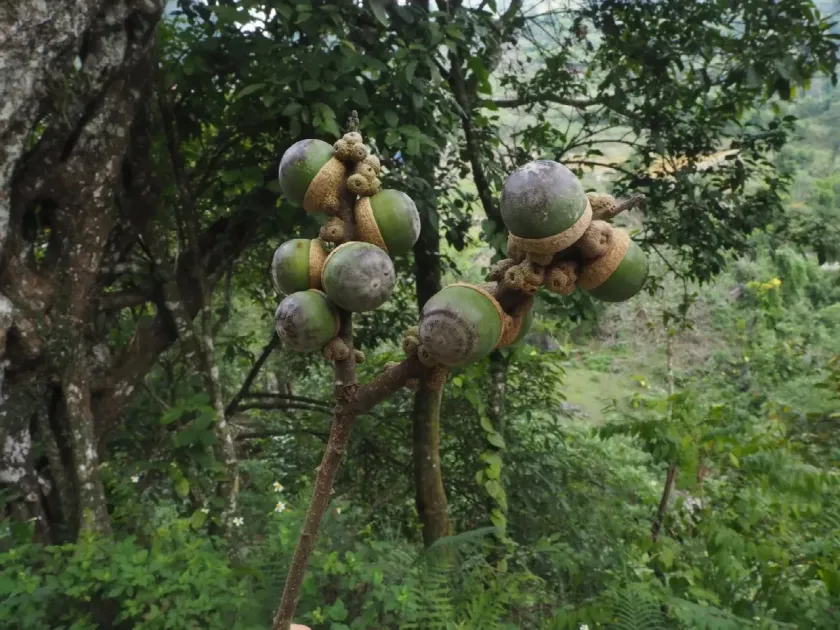
Description
Growing requirements
Lithocarpus elegans is a notable evergreen tree species belonging to the Fagaceae family. It is native to the forests of Southeast Asia and is characterized by its robust growth habits and dense foliage, which are adapted to humid, subtropical environments.
The cultivation of this species requires well-drained, nutrient-rich soils that maintain acidity levels conducive to root health. Consistent moisture availability is essential, as the species does not thrive in prolonged drought conditions but can be sensitive to waterlogged, stagnant soil.
Agronomic management for this crop focuses on early-stage protection, as young trees are susceptible to extreme weather and competition from weeds. Providing adequate space and ensuring a stable environment during the establishment phase is critical for long-term productivity.
Botanically, the tree produces dense wood and distinctive fruit structures, which are typical for the Lithocarpus genus. Economically, it is valued for its high-quality timber and its ability to act as a foundational species in reforestation projects and biodiversity-rich plantation systems.
Maintenance practices include monitoring the canopy density and performing selective pruning to ensure optimal airflow. By managing light exposure and soil nutrient profiles, growers can encourage healthy development and maximize the biological potential of the tree over several decades.
Main diseases and pests
Fungal pathogens represent the primary threat to this crop, particularly root rot caused by Phytophthora species in poorly drained soils. Leaf blight can also be a significant issue during periods of unusually high humidity and lack of proper canopy ventilation.
Insect pests include various species of defoliators and wood-boring beetles that target stressed trees. Integrated pest management, including the use of systemic treatments and maintaining vigorous plant health, is essential to minimize economic losses from these biological threats.