
Edible lithocarpus
Lithocarpus edulis
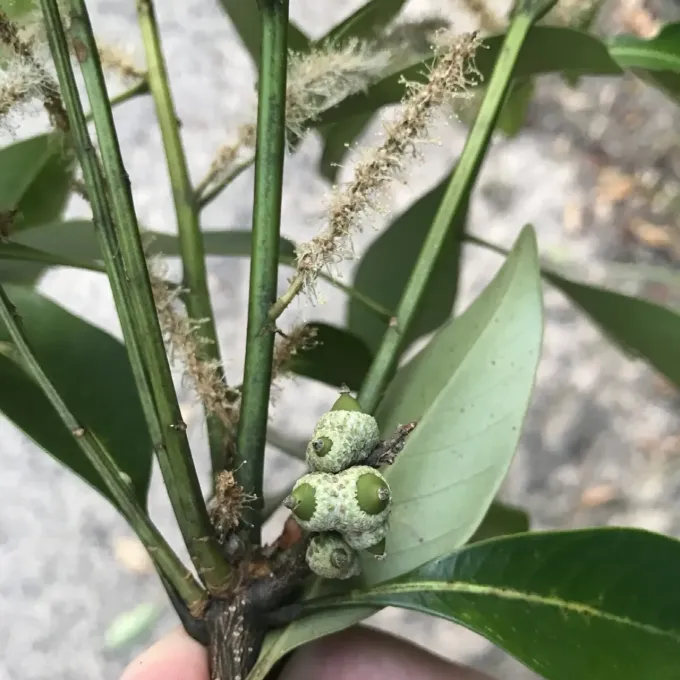
Description
Growing requirements
The edible lithocarpus (Lithocarpus edulis), commonly known as the Japanese stone oak, is an evergreen tree belonging to the Fagaceae family. Originating from the warm, temperate, and subtropical forests of Japan, it is highly valued for its dense, glossy foliage and its nut-bearing capacity. The tree serves as both an ornamental and a productive agricultural asset.
Regarding climate, this species thrives in humid subtropical environments that provide steady temperatures throughout the year. It prefers locations protected from harsh winds and extreme frost, as sudden cold snaps can severely damage the young shoots and developing flowers. Consistent soil moisture is essential for its successful development.
The soil requirements for Lithocarpus edulis emphasize the need for well-draining, deep, and slightly acidic soils. It struggles in waterlogged or heavily compacted clay grounds, which promote root rot and hinder nutrient uptake. Adding organic matter or leaf mold during planting enhances the tree's establishment and long-term health.
Agricultural practices involve regular maintenance, including mulching around the base to retain soil moisture and stabilize root temperatures. Pruning should be performed during the dormant season to encourage a strong branch structure and improve fruit accessibility. Proper spacing between trees is also vital for air circulation, which prevents fungal outbreaks.
Economically, the tree is grown for its edible nuts, which are traditionally processed to remove tannins before consumption. The wood is exceptionally hard and durable, making it useful for construction and specialized carpentry. Furthermore, its ability to tolerate urban pollution makes it an excellent choice for agroforestry and reforestation projects.
Yield
The yield of Lithocarpus edulis typically begins several years after the tree reaches maturity, usually requiring 8 to 12 years from seed for a significant harvest. The tree produces clusters of nuts that mature in late autumn. The volume of production is influenced by tree age, pollination success, and the specific site conditions.
Optimal yields are achieved when the trees are planted in blocks, which facilitates better cross-pollination. In commercial orchards, yield per tree can fluctuate depending on the intensity of pruning and fertilization. Regular monitoring of the fruit set allows farmers to estimate harvest dates effectively.
Environmental factors during the flowering period, such as excessive rain or heat, can reduce the fruit set by hindering pollinator activity. Ensuring a healthy population of bees and other insects in the vicinity of the plantation is a recommended strategy to maintain consistent annual yields.
Proper harvesting techniques are critical to ensure the quality of the nuts. Fruits should be collected shortly after they fall to the ground to prevent decay and insect infestation. Prompt drying and proper storage conditions are necessary to maintain the shelf life and nutritional value of the harvested produce.
While the tree is not typically farmed for mass industrial output like some other nuts, its yield is highly valued in local specialty markets. Selective breeding for larger fruit size and better taste is an ongoing area of interest for horticulturists seeking to improve the productivity of this versatile crop.
Main diseases and pests
The edible lithocarpus is susceptible to several pathogens, with Phytophthora species being the most significant threat to the root system. These water-borne molds cause root decay, leading to yellowing leaves and tree decline. Improved drainage and the use of fungicide-treated nursery stock are the primary defenses.
Insects, particularly nut weevils, present a major challenge by burrowing into the ripening fruit. These pests can destroy a large percentage of the harvest if left unmanaged. Integrated pest management, including traps and targeted sprays during the egg-laying phase, is essential for maintaining a viable crop.
Leaf-eating caterpillars and aphids can also affect younger trees, leading to defoliation and weakened resistance. Periodic inspection of the canopy allows for early intervention using biological control agents. Avoiding excessive nitrogen fertilization can also reduce the attractiveness of the foliage to certain sap-sucking insects.
Nutrient imbalances, particularly iron deficiency causing chlorosis, occur if the soil pH is too high. This condition can be managed by applying chelated micronutrients and adjusting the soil composition. Healthy trees are generally more resilient and better able to outgrow minor pest damage.
Environmental stressors such as drought can make trees more vulnerable to opportunistic pests and diseases. Providing consistent irrigation during prolonged dry spells helps keep the trees in a robust state. Proper maintenance ensures that the tree can successfully manage minor biotic and abiotic pressures throughout its life cycle.
Harvesting
Harvesting Lithocarpus edulis is primarily a manual operation due to the specific structure of the tree canopy. Nuts are gathered once they begin to drop naturally, which indicates their maturity. Harvesting usually takes place in October or November, depending on the local climate and latitude.
Before harvesting, the ground beneath the trees should be cleared of debris to ensure all nuts are collected easily. This prevents the loss of yield to rodents and ground-dwelling pests. Collected nuts must be processed immediately to prevent mold growth caused by the high moisture content of fresh fruit.
Post-harvest processing involves sorting the nuts to remove damaged or worm-eaten specimens. They are then washed and placed in well-ventilated areas to dry gradually. Removing the outer shell is often done manually or through mechanical hullers after the initial drying phase is complete.
Storage of the cleaned nuts requires a cool, dry place to prevent rancidity and ensure longevity. If stored in bulk, adequate airflow between the layers of nuts is necessary. Properly treated nuts can remain stable for many months, making them a reliable food source throughout the winter.
For culinary use, the nuts undergo a soaking process to extract excess tannins, a standard practice for many Fagaceae members. Once treated, they can be boiled, roasted, or ground into flour. This traditional method highlights the cultural significance and versatile nature of the harvested product.