
Tanoak
Lithocarpus densiflorus
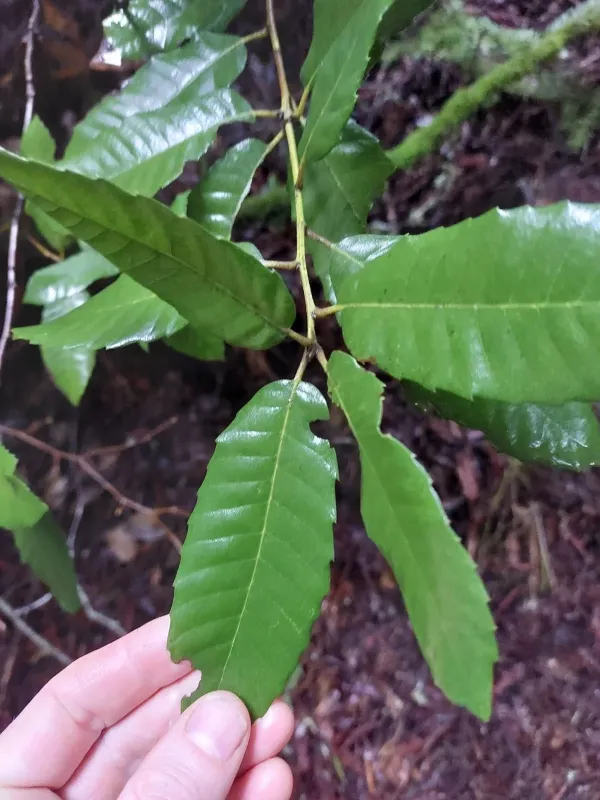
Description
Growing requirements
Tanoak (Lithocarpus densiflorus) is a prominent member of the Fagaceae family, often described as a botanical bridge between the oak and chestnut genera. It is a hardy evergreen tree native to the Pacific coastal regions of North America.
The tree thrives in moist, well-drained soils that are slightly acidic. It is sensitive to soil compaction and waterlogging, making proper site selection and soil preparation essential for successful establishment in an agricultural or forestry setting.
Climate requirements for this species are relatively specific, as it prefers mild, maritime climates with high humidity levels and regular rainfall. It does not tolerate prolonged frost or extreme drought, which should be considered when planning for cultivation.
Agricultural management involves deep mulching to conserve soil moisture and protect the root zone from temperature fluctuations. While it is a forest species, selective thinning can enhance the growth rate and quality of the timber produced in managed stands.
The economic utilization of Tanoak is focused on timber production for specialized woodworking, and the harvesting of its tannin-rich nuts, which have been historically significant for their nutritional composition.
Main diseases and pests
The most critical threat to the species is Phytophthora ramorum, the pathogen responsible for Sudden Oak Death. This disease is devastating, causing necrotic lesions on stems and leaves, often leading to systemic tree failure.
Pests, such as various species of weevils, frequently infest the acorns, significantly impacting reproductive capacity and the harvest yield of the nuts. Integrated Pest Management (IPM) is necessary to mitigate these losses.
Disease control strategies include the removal of infected plant debris and the avoidance of irrigation practices that promote high moisture levels around the trunk base, which favors fungal spread.
Quarantine and strict sanitation protocols are vital in nurseries and forests to prevent the geographical spread of the Sudden Oak Death pathogen to non-infected areas.
Continuous monitoring programs and the development of genetically resilient genotypes are currently the primary agricultural research focus to ensure the long-term sustainability of Tanoak populations.