
Lipocarpha microcephala
Lipocarpha microcephala
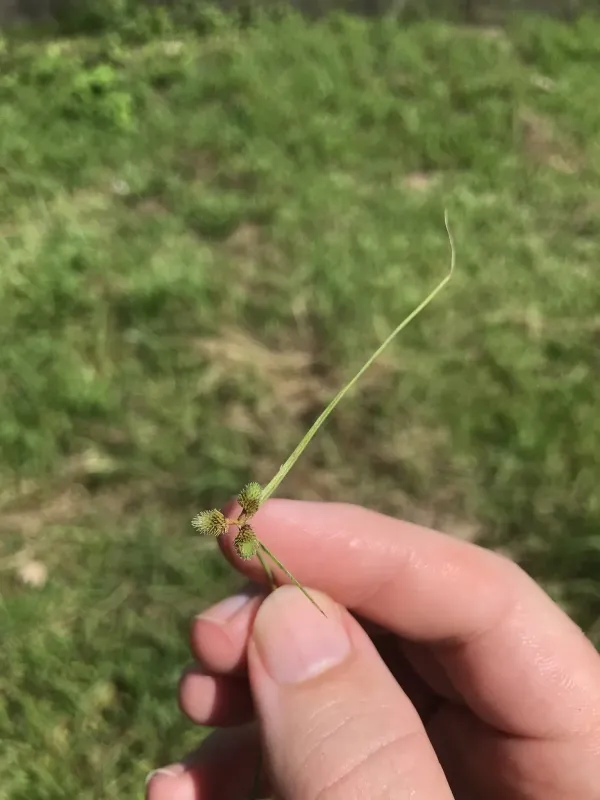
Description
Growing requirements
Lipocarpha microcephala is an annual herbaceous plant belonging to the sedge family, Cyperaceae. It is recognized in agricultural studies primarily as a weed species that thrives in wet, marshy habitats and irrigated agricultural systems.
The native distribution range spans across tropical and temperate regions of Asia, though it has successfully expanded into various other jurisdictions. It is predominantly found in paddy fields, drainage ditches, and riparian zones where soil saturation is constant.
Botanically, the species is identified by its compact, head-like inflorescences consisting of numerous tiny spikelets. The stems are usually upright and smooth, and the foliage is grass-like, contributing to its competitive advantage in dense plant communities.
The plant requires high soil moisture levels and thrives in nutrient-rich, fine-textured soils. It is particularly well-adapted to anaerobic soil conditions found in flooded environments, which often grants it an edge over non-aquatic crop species.
From an agricultural standpoint, it acts as a competitor for resources in rice cultivation. Effective management involves maintaining a clean water supply and rigorous monitoring of water levels to inhibit the germination and early growth of the weed.
Main diseases and pests
Lipocarpha microcephala is highly resilient and exhibits strong resistance to common agricultural pathogens. Its ecological niche as a wetland plant provides natural protection against many terrestrial crop diseases.
While specific insect pests may feed on the plant, they rarely cause significant suppression of the population. The weed's robust nature makes biological control a challenging aspect of integrated pest management strategies.
The primary threat posed by this species is its prolific seed production. A single mature plant can release thousands of seeds, which can persist in the soil seed bank for several seasons, complicating long-term control.
Agricultural managers must prioritize prevention to control the spread of the species. This includes strict inspection of irrigation inlets and the removal of contaminated debris from water channels.
Chemical control is often necessary in heavy infestations. Herbicides formulated for sedge control are the preferred option, provided they are applied during the vegetative growth phase before the seed head becomes fully mature.