
Small-flowered lipocarpha
Lipocarpha micrantha
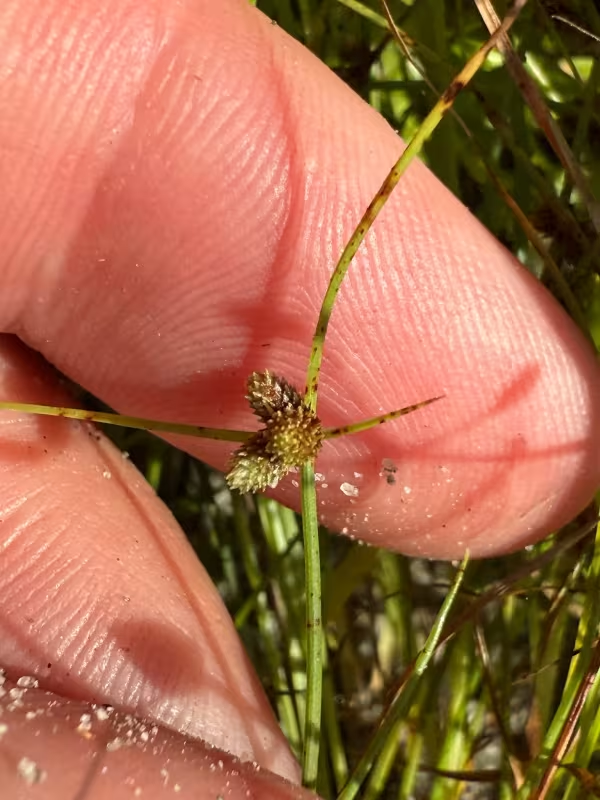
Description
Growing requirements
Small-flowered lipocarpha (Lipocarpha micrantha) is an annual herb belonging to the Cyperaceae family. It is primarily characterized by its preference for wetland habitats, making it a niche crop for waterlogged agricultural lands.
The plant originates from the Americas, where it is found in diverse environments such as muddy banks and ephemeral wetlands. Its ability to tolerate saturated soils is a significant biological advantage in marshland farming.
Regarding climatic requirements, the plant thrives in warm and sunny conditions. It requires consistent exposure to light, as reduced luminosity significantly stunts its vegetative growth and floral development.
Soil requirements focus on moisture retention, as the root system of this species is highly specialized for anaerobic or semi-anaerobic conditions. It performs well in sandy or silty soils with high water tables.
Agronomic management involves maintaining the water balance of the plot. Unlike standard field crops, Lipocarpha micrantha requires minimal tillage to prevent disrupting the delicate root mat that anchors the plant in soft substrates.
Main diseases and pests
Pathogenic fungi pose the most significant risk to the plant, particularly in stagnant water conditions where air circulation is limited and humidity remains high.
The crop can be affected by specific foliage-feeding insects, which tend to congregate in high densities when the plants are stressed by extreme temperatures or improper soil acidity.
Competition from more aggressive, fast-growing aquatic vegetation can lead to the displacement of the crop during the early seedling establishment phase.
Environmental fluctuations, such as sudden droughts or extreme floods, often cause significant physiological stress, making the plants more susceptible to secondary infections.
Integrated pest management strategies are recommended to maintain yield, focusing on proper density control and monitoring the field for early signs of disease outbreaks.