
Lipocarpha chinensis
Lipocarpha chinensis
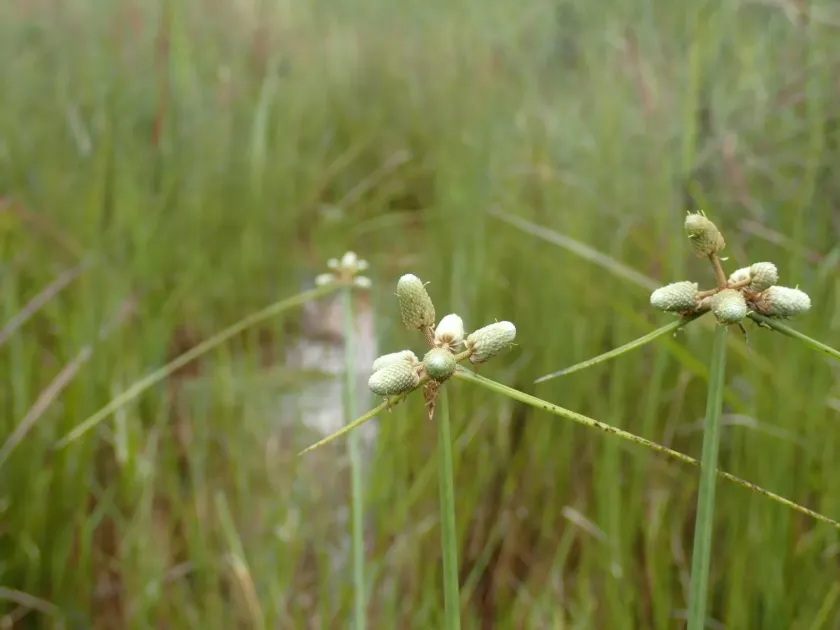
Description
Growing requirements
Lipocarpha chinensis is a perennial herbaceous plant belonging to the sedge family, known as Cyperaceae. This species is primarily recognized as a hydrophyte, meaning it is specialized for growth in wet or aquatic environments, playing a key role in marshy ecosystems.
Originating from tropical and subtropical regions across Asia, Africa, and Australia, this plant is commonly found in wetlands, riverbanks, and agricultural areas such as paddy fields. It is well-adapted to environments that undergo periodic flooding and drying cycles.
The botanical structure of Lipocarpha chinensis includes erect stems and characteristic dense, spike-like inflorescences. Its root system is fibrous and dense, which allows the plant to thrive in unstable, waterlogged soils by providing a strong anchor and nutrient uptake mechanism.
Regarding climate requirements, this species favors warmth and high humidity. It is sensitive to freezing temperatures, thus its growth is limited to tropical and subtropical climate zones where it receives ample solar radiation throughout the active growing season.
The soil requirements are specific: the plant requires constant moisture and thrives in heavy, silty, or clay-based substrates. It is essential that the substrate maintains a neutral to slightly acidic pH, which supports its physiological development and overall vigor.
Main diseases and pests
The primary threats to Lipocarpha chinensis include fungal pathogens such as leaf spots and rusts, which can spread rapidly under conditions of stagnant water and high humidity. These diseases can negatively impact the health of the foliage and overall plant density.
Insect pests including various leaf-chewing larvae and mollusks can also cause significant damage to the plant structures. Proper management practices, such as ensuring adequate airflow in cultivated stands and monitoring for early signs of infestation, are vital for maintaining plant health.