
Lindsaea trichomanoides
Lindsaea trichomanoides
Description
Growing requirements
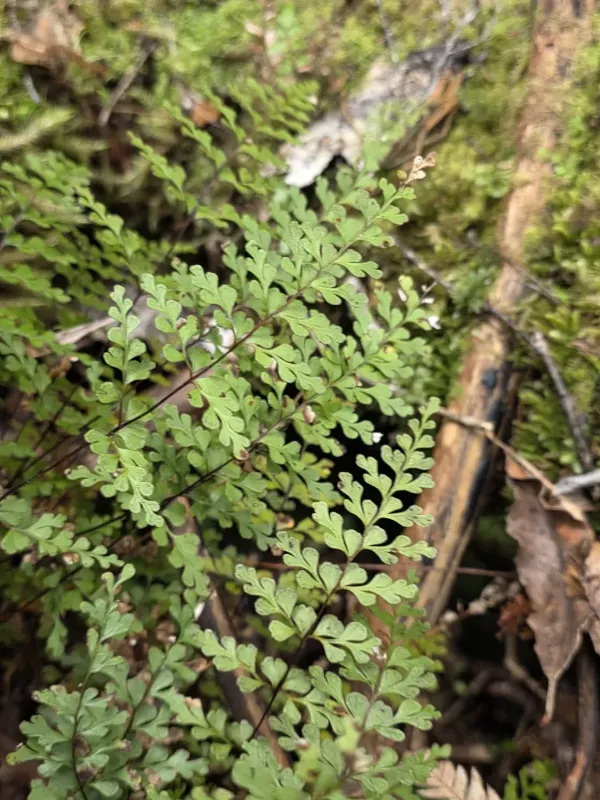
Lindsaea trichomanoides is a delicate species of fern belonging to the Lindsaeaceae family. It is native to New Zealand, where it primarily inhabits moist, shaded forest environments, often growing on decaying wood or damp rocky slopes.
The plant features finely divided, tripinnate fronds with a translucent appearance. Its creeping rhizomes are slender and require a stable, consistently moist growing medium to establish and thrive effectively.
For successful cultivation, environmental stability is paramount. The plant requires high humidity levels, ideally above 70%, making it a perfect candidate for enclosed terrariums or humid greenhouses rather than open-air rooms.
Light requirements are strict: Lindsaea trichomanoides must be kept in dappled shade. Direct sunlight is highly detrimental and will cause the fine foliage to dehydrate and scorch within a very short period of time.
The soil should be a lightweight, acidic mix rich in organic matter, such as peat moss or sphagnum mixed with perlite. It is essential to ensure that the medium remains moist but never waterlogged to prevent root rot.
Main diseases and pests
The primary threat to this species is the fluctuation of humidity levels. If the ambient air becomes too dry, the fronds will quickly curl and turn brown, indicating severe dehydration that is often irreversible.
Pest issues commonly involve scale insects and mealybugs, which tend to hide in the intricate structure of the fronds. These pests sap the plant's vitality and secrete honeydew, which encourages the growth of sooty mold.
Spider mites represent another risk, particularly in environments with poor airflow and low humidity. Their presence can be detected by fine webbing on the undersides of the leaves, which causes yellowing and eventual leaf drop.
Fungal diseases are usually a result of stagnant, overly damp air. If brown, water-soaked patches appear on the leaflets, it is necessary to improve ventilation and reduce overhead watering to allow the foliage to dry slightly.
Regular monitoring of the foliage and maintaining high hygiene standards within the terrarium environment are the most effective ways to manage potential threats to this sensitive fern.