
Lindsaea adiantoides
Lindsaea adiantoides
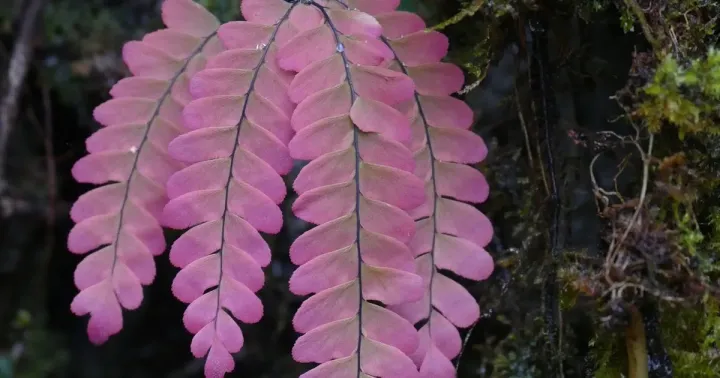
Description
Growing requirements
Lindsaea adiantoides is an elegant fern species belonging to the Lindsaeaceae family. It is recognized for its intricate, adiantum-like fronds, which contribute to its popularity as a specialty ornamental plant in botanical collections.
Originating from the tropical regions of Asia and the Pacific, this fern thrives in environments characterized by constant high humidity and filtered sunlight. It is typically found in shaded forest floors where soil moisture is persistent.
The core requirement for cultivation is the maintenance of high atmospheric humidity, ideally above 70%. In a home or greenhouse setting, regular misting or the use of an ultrasonic humidifier is essential to prevent frond desiccation.
The substrate must be light, airy, and acidic. A well-draining mixture consisting of fine orchid bark, peat moss, and perlite provides the necessary aeration that the delicate root system of this species requires to stay healthy.
This plant is utilized primarily for its aesthetic value in terrariums, indoor displays, and specialized plant nurseries, serving as a focal point in environments where a humid, tropical microclimate can be strictly managed.
Main diseases and pests
The primary threats to this fern include fungal pathogens that arise from waterlogged soil. If the medium lacks sufficient drainage, the rhizomes are prone to rapid rot, which can prove fatal to the entire plant.
Spider mites are common pests that infiltrate the foliage, especially when the ambient humidity drops below optimal levels. These mites suck the sap, leading to yellowing leaves and eventually significant tissue necrosis.
Mealybugs can often hide in the dense canopy of fronds. Regular inspection and the use of insecticidal soaps are recommended as standard preventative measures to keep the population under control.
Nutrient toxicity, often caused by high salt buildup from fertilizers or tap water, can burn the sensitive tips of the fronds. Using only distilled or reverse osmosis water is highly recommended to ensure long-term vitality.
Environmental stress, such as exposure to cold drafts or rapid temperature fluctuations, can cause the fronds to curl and crisp. Maintaining a stable, temperate environment is crucial for avoiding these physiological problems.