
Lindsaea odorata
Lindsaea odorata
Description
Growing requirements
Lindsaea odorata is a fascinating perennial fern species belonging to the Lindsaeaceae family. While not a conventional agricultural commodity, this fern is highly valued by horticulturists and collectors for its distinct botanical structure and the subtle aromatic properties that give the plant its specific name.
The origin of this species is traced to the tropical and subtropical forests of Asia, where it thrives in humid, shaded environments. In cultivation, it requires a controlled microclimate that mimics these forest conditions, making it suitable primarily for greenhouses, conservatories, or climate-controlled indoor spaces.
Soil requirements for Lindsaea odorata are quite specific: it necessitates a light, well-draining, and organic-rich substrate. A mixture consisting of peat, leaf mold, and pumice is ideal to ensure that the rhizomes have both the moisture they crave and the essential oxygen circulation required for healthy root growth.
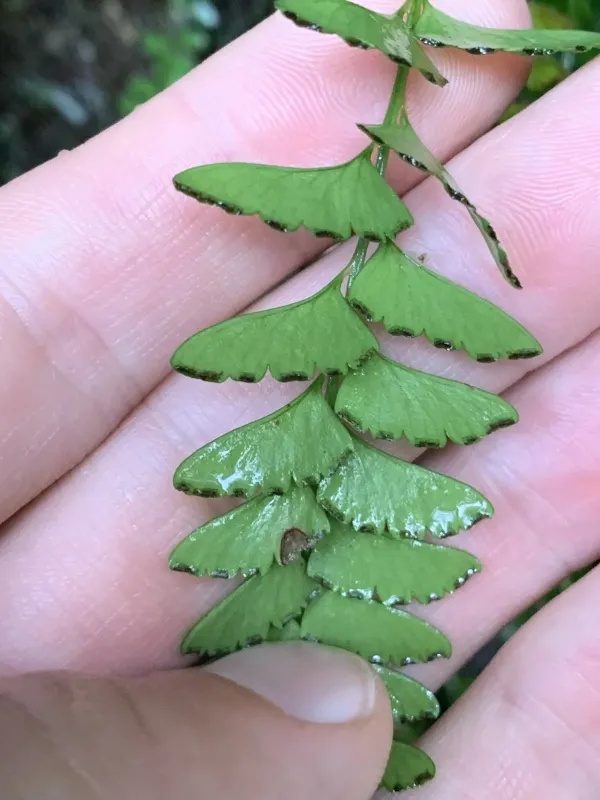
Botanically, the plant features delicate, pinnate fronds that arise from creeping or ascending rhizomes. Its growth habit is relatively slow, requiring patience from the grower. The plant is notably sensitive to environmental stressors, making it an indicator species for air quality and humidity consistency.
Cultivation practices involve maintaining a consistent ambient temperature and high relative humidity. Direct sunlight should be strictly avoided as it can cause rapid dehydration and scorching of the thin frond tissues. Instead, bright, filtered, or indirect light is the gold standard for long-term health.
Main diseases and pests
Pathogenic threats for Lindsaea odorata include root rot and leaf spot diseases, which are almost always the result of overwatering or inadequate air circulation. Improving airflow and ensuring the substrate never becomes waterlogged are critical preventive measures for any commercial or private grower.
Common pests such as spider mites are a significant concern, especially during the dry winter months. Scale insects can also infest the stems and undersides of the fronds. Integrated pest management, focusing on consistent humidity and regular manual inspection, is the most effective approach to handling these threats.