
Lindsaea microphylla
Lindsaea microphylla
Description
Growing requirements
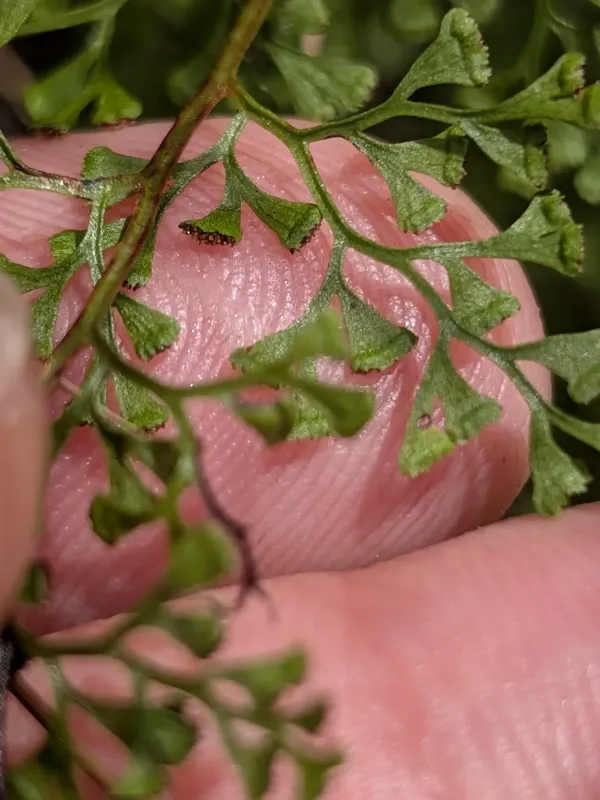
Lindsaea microphylla is a species of fern in the Lindsaeaceae family, native to Australia. This plant is recognized for its fine, delicate fronds that grow in dense, aesthetic clusters, making it a highly sought-after species for botanical collections and indoor horticulture.
The plant thrives in humid environments that mimic its natural understory habitat. It requires consistent temperatures between 18°C and 24°C and must be protected from cold drafts or direct airflow, which can rapidly dehydrate its sensitive foliage.
Soil conditions are critical for its survival; the fern requires a well-draining, slightly acidic medium. A blend of peat moss, pine bark, and perlite provides the necessary aeration and moisture retention that this species needs to develop a healthy root system.
High relative humidity is essential for the health of Lindsaea microphylla. Growers often use ultrasonic humidifiers or pebble trays to maintain moisture levels above 65 percent, as the plant will quickly drop its fronds if the air is too dry for a prolonged period.
Lighting requirements must be strictly managed to avoid leaf burn. The species prefers filtered or indirect light, making it suitable for locations near east-facing windows or under fluorescent light systems designed for tropical indoor plants.
Main diseases and pests
The most common pests affecting this fern are spider mites, which flourish in dry environments. Regular misting and proper air circulation are the best defensive measures, though specialized acaricides may be used if an infestation becomes established.
Root rot caused by overwatering is a significant threat to this species. Because the roots are delicate, stagnant water in the soil promotes the growth of Pythium or Phytophthora fungi, which can be fatal if not identified early through wilting signs.