
Lindsaea lancea
Lindsaea lancea
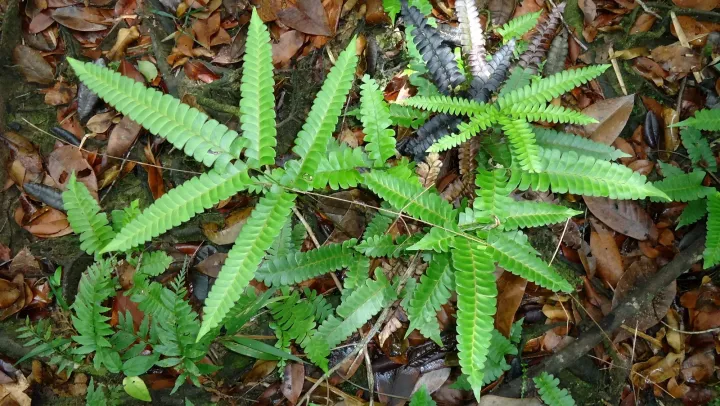
Description
Growing requirements
Lindsaea lancea is a distinctive species of fern belonging to the Lindsaeaceae family. Originating from the tropical rainforests of Central and South America, this plant is characterized by its slender, elegant fronds and preference for shaded, high-humidity environments.
To cultivate Lindsaea lancea successfully, one must maintain an environment that mimics its natural habitat. This includes consistent temperatures between 20°C and 26°C and a high relative humidity level, ideally kept above 70 percent throughout the growing season.
The substrate requirement is specific: it must be porous, well-draining, and rich in organic matter. A soil mixture featuring peat, perlite, and pine bark is often recommended to ensure aeration and prevent the root system from becoming waterlogged.
Light levels should be strictly managed; this fern thrives in filtered or indirect light. Exposure to direct sunlight will cause rapid dehydration and scorched leaf tissues, significantly reducing the ornamental value and overall health of the plant.
In terms of growth habits, the plant spreads via a creeping rhizome. Regular monitoring of the soil moisture is crucial, as the growing medium should remain evenly damp without becoming saturated. Proper drainage is the most vital component of the irrigation strategy.
Main diseases and pests
The most common threat to Lindsaea lancea is root rot caused by stagnant water in the root zone. Pathogenic fungi such as Pythium thrive in overly wet conditions and can quickly destroy the delicate rhizome structure.
Spider mites are a primary pest concern, particularly in greenhouse environments with suboptimal humidity. These pests feed on the underside of the fronds, leading to stippling and eventual leaf drop if left unchecked.
Scale insects can also infest the stems and undersides of leaves, weakening the plant by extracting essential sap. Manual removal or the application of gentle horticultural soaps is usually recommended for small-scale control.
Poor ventilation can lead to fungal infections such as botrytis, which appears as a fuzzy grey mold on the leaves. Increasing air circulation around the plants is a simple yet effective method of preventing this type of outbreak.
Sensitive by nature, these ferns react poorly to harsh synthetic pesticides. Integrated pest management (IPM) practices, emphasizing sanitation and environmental control, are the preferred approach for maintaining a healthy population of Lindsaea lancea.