
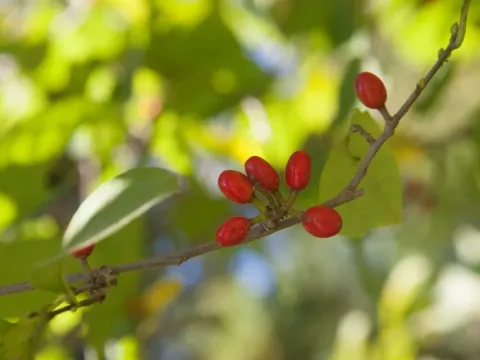
Lindera
Lindera
The propagation of Lindera is primarily achieved through seeds, which exhibit a period of dormancy that must be broken by cold stratification for several months.
What the section contains
 Japanese spicebush
Lindera obtusiloba
Japanese spicebush
Lindera obtusiloba
 Leatherleaf spicebush
Lindera subcoriacea
Leatherleaf spicebush
Lindera subcoriacea
 Lindera aggregata
Lindera bibracteata
Lindera bibracteata
Lindera aggregata
Lindera aggregata
Lindera bibracteata
Lindera bibracteata
 Lindera cercidifolia
Lindera cercidifolia
Lindera cercidifolia
 Lindera chienii
Lindera chienii
Lindera chienii
 Lindera erythrocarpa
Lindera erythrocarpa
Lindera erythrocarpa
 Lindera glauca
Lindera latifolia
Lindera latifolia
Lindera glauca
Lindera glauca
Lindera latifolia
Lindera latifolia
 Lindera malaccensis
Lindera malaccensis
Lindera malaccensis
 Lindera megaphylla
Lindera megaphylla
Lindera megaphylla
 Lindera melissifolia
Lindera melissifolia
Lindera melissifolia
 Lindera oxyphylla
Lindera oxyphylla
Lindera oxyphylla
 Lindera praecox
Lindera praecox
Lindera praecox
 Lindera sericea
Lindera sericea
Lindera sericea
 Lindera triloba
Lindera triloba
Lindera triloba
 Lindera umbellata
Lindera umbellata
Lindera umbellata
 Narrow-leaf spicebush
Lindera angustifolia
Narrow-leaf spicebush
Lindera angustifolia
 Shining Lindera
Lindera lucida
Shining Lindera
Lindera lucida
 Spicebush
Lindera benzoin
Spicebush
Lindera benzoin
Lindera
Seeds should be sown in the autumn, allowing them to undergo natural overwintering, which significantly improves the germination rate in the following spring season.
Alternatively, stem cuttings can be used for clonal propagation; these should be taken during the summer months when the wood is semi-hardened.
Using hormone rooting compounds and maintaining a humid microclimate is essential for successful root development in cuttings within a greenhouse environment.
Transplanting young plants to their permanent location is best performed in early spring, ensuring the soil is well-prepared and rich in organic matter.
As a member of the Lauraceae family, Lindera thrives in moist, well-drained soils that are slightly acidic and rich in decomposed organic leaf litter.
The plants prefer dappled sunlight or partial shade, as they are susceptible to leaf scorch in intense, direct afternoon sunlight during the peak of summer.
Climate adaptability varies by species, but most prefer regions with moderate humidity and protection from harsh, desiccating winter winds.
Consistent moisture levels must be maintained through regular irrigation, especially during the establishment phase, to ensure healthy foliage growth.
Mulching the base of the plant is highly recommended to regulate soil temperature and retain moisture, especially in regions with fluctuating seasonal temperatures.
The harvest of Lindera leaves and bark, often used for their essential oils and culinary properties, is typically done during the active growing season.
Leaves are best harvested when they are fully matured, while bark is usually collected from pruned branches to ensure the sustainability of the main plant.
Care must be taken to sanitize pruning tools to prevent the introduction of pathogens during the harvest of aromatic materials.
Dried leaves should be stored in airtight containers away from direct sunlight to preserve the volatile aromatic compounds that define the plant's value.
The timing of the harvest is critical for maximizing oil yield, with many producers targeting the period just before flowering for peak aromatic potential.
Lindera species are generally robust and exhibit natural resistance to many common agricultural pests due to the high concentration of bioactive essential oils.
The most common issues include root rot caused by stagnant water or poorly drained soil, which can lead to rapid decline if left unaddressed.
Scale insects and spider mites may occasionally infest the plants if the ambient humidity is too low or if the plants are stressed by drought conditions.
Integrated pest management strategies should focus on maintaining plant vigor through proper site selection and sanitation rather than chemical intervention.
Regular inspection for signs of fungal spots or discoloration is advised, especially during seasons with prolonged rainfall or high humidity levels.