
Leymus multicaulis
Leymus multicaulis
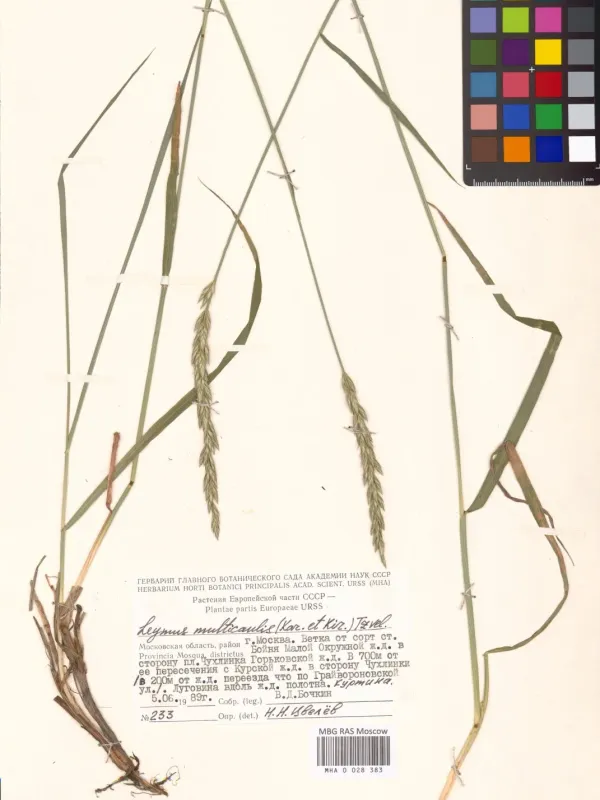
Description
Sowing dates
Leymus multicaulis, known as a multi-stemmed lyme grass, is a perennial member of the Poaceae family. Sowing is typically carried out in early spring to utilize available soil moisture before the onset of intense summer heat.
For optimal establishment, seeds should be sown at a depth of 2 to 3 cm. The seeding rate varies from 10 to 15 kg per hectare depending on the soil type and the intended use of the crop, whether for forage or soil protection.
The establishment phase is relatively slow, requiring careful management of weeds during the first growing season. Mechanical weeding or appropriate spacing can help the seedlings develop their root systems without excessive competition.
Given its hardiness, the seeds have a good germination rate provided they are placed in firm, moist soil. Using a drill with packer wheels can significantly improve seed-to-soil contact, which is vital in arid regions.
Autumn seeding is also an option in certain regions, allowing for natural stratification during winter. This can lead to more uniform germination when spring temperatures begin to rise in the following year.
Growing requirements
This grass is highly prized for its environmental adaptability, particularly in arid and semi-arid regions. It thrives in environments where other crops would fail due to water scarcity or high salinity levels.
Leymus multicaulis is recognized for its exceptional salt tolerance, making it a key species for the reclamation of saline lands and solonchaks. It helps improve soil structure through the accumulation of organic matter and reduction of soil surface salinity.
The plant requires plenty of sunlight and shows strong resistance to extreme temperature fluctuations. It remains viable during harsh winters and intense summer droughts, thanks to its deep and extensive root system.
It prefers well-drained soils, including sandy, loamy, and rocky ground. While it is tolerant to many soil types, it is sensitive to waterlogging; therefore, avoid planting in depressions where water typically stagnates for long periods.
Its xerophytic nature makes it an excellent choice for stabilizing unstable soils and preventing desertification. Once established, it provides a persistent cover that shields the land from wind erosion.
Yield
As a forage crop, it provides reliable biomass in dryland areas. Yields of hay can reach 1.5 to 2.5 tonnes per hectare, depending on soil quality and the moisture levels during the growing season.
The nutritional value is highest during the vegetative phase. Livestock readily consume the grass when grazed at the appropriate time, benefiting from its balanced protein and mineral content, which supports animal health.
Beyond forage, it serves as a critical tool for preventing soil erosion. Its dense, fibrous root network anchors the soil, making it highly effective for reclaiming degraded pastures and protecting vulnerable slopes.
Seed production requires intensive management, including proper fertilization, to ensure high yields of viable seeds. When managed correctly, a stand of this grass can remain productive for over a decade.
Regular grazing management is recommended to maintain the stand's vigor. Rotating grazing periods allows the grass to regenerate biomass, ensuring long-term sustainability and higher total output over the lifespan of the pasture.
Main diseases and pests
Leymus multicaulis is naturally robust, possessing high resistance to most common cereal diseases. Under standard field conditions, it rarely requires chemical intervention for pest or disease control.
Fungal diseases like rust can occur if the canopy remains too humid for extended periods. This is usually managed by avoiding excessive irrigation and ensuring good air circulation within the stand.
While insect pests such as aphids might appear during population peaks, the plant's resilience allows it to withstand minor damage without significant loss in overall vigor or productivity.
The most significant threat is improper grazing pressure, which can lead to overgrazing and soil exposure. Maintaining the recommended grazing schedule is essential to protect the root health of the crop.
Good agricultural practices, including the use of clean, certified seeds and monitoring for invasive weeds during the first year, are the best methods to minimize potential threats to the crop.