

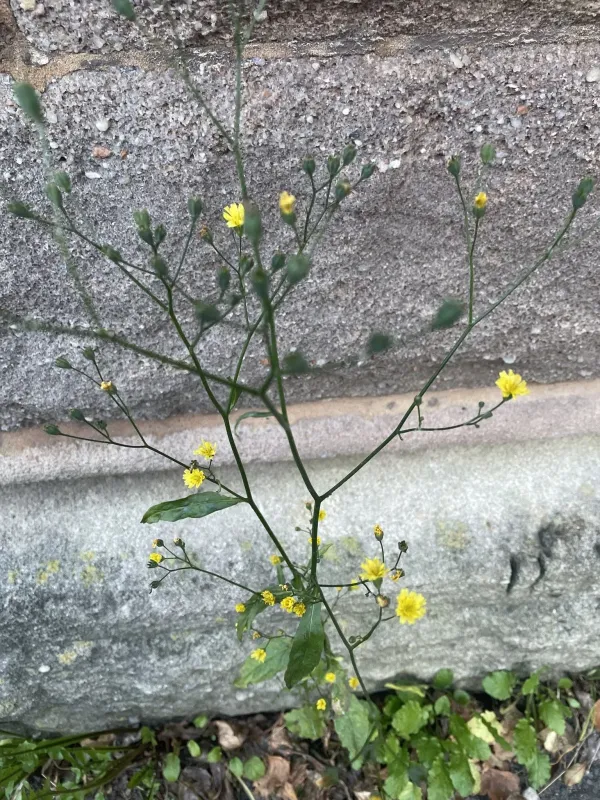
Description
Sowing dates
Nipplewort (Lapsana communis L.) is a member of the Asteraceae family. It is a hardy, herbaceous plant that has been traditionally used in agriculture for its nutritional and medicinal properties.
The sowing season begins in early spring, usually as soon as the ground can be worked and the soil temperature reaches at least 10 degrees Celsius.
Optimal planting involves using a drill seeder to maintain a row spacing of approximately 25 cm, allowing for adequate sunlight penetration to the developing rosettes.
Seeds should be covered lightly with about 1 cm of soil. Given the high germination rate, shallow sowing is critical to ensure uniform emergence across the field.
Maintaining consistent soil moisture during the first two weeks post-sowing is vital to establishing a strong root system before the onset of drier summer weather.
Growing requirements
Nipplewort thrives in fertile, moist, and well-drained soils. It is particularly well-adapted to loamy environments that are rich in organic matter and nutrients.
The crop prefers locations that offer partial shade, although it adapts to full sun provided that soil moisture levels are carefully managed throughout the season.
Soil pH should remain in the neutral range (6.0–7.5). High acidity can significantly inhibit the growth of the plant and reduce its biomass production.
Regular weeding in the early stages is necessary to prevent competition from more aggressive weeds, ensuring the plant has enough space to develop its foliage.
The plant is highly responsive to organic nitrogen supplements, which help boost leaf development and increase the nutritional density of the forage.
Yield
Under favorable growing conditions, the biomass yield of Lapsana communis can reach up to 170 decitonnes per hectare, making it a reliable forage component.
Frequent cutting during the vegetative stage stimulates secondary growth, allowing for multiple harvests within a single growing season for livestock feed.
The nutritional profile includes high levels of essential vitamins and minerals, which are highly beneficial for the health and productivity of grazing animals.
Seed yields are generally moderate but sufficient for natural reseeding, which reduces the need for repeated sowing in long-term agricultural systems.
Integration into fodder mixes increases the overall biodiversity of the field and improves the resilience of the pasture against climatic fluctuations.
Main diseases and pests
Powdery mildew represents the primary disease threat, particularly in dense stands with poor airflow during humid summer weather conditions.
Pests such as aphids and leaf-eating beetles can cause damage to the tender leaves, necessitating regular monitoring during the active growth phase.
Cultural control methods, such as proper spacing and rotation, are the most effective ways to prevent disease outbreaks without relying on synthetic chemicals.
Slugs and snails may pose a risk to young seedlings, requiring baiting or physical barriers in areas where these pests are prevalent during the early spring.
Maintaining soil fertility and plant health is the best defense against major pests, as vigorous plants are naturally more resistant to infestations.
Harvesting
The harvesting of foliage for fodder is best performed just as the plant reaches the peak of its flowering stage to maximize nutrient retention.
Mechanical harvesting via mowing is efficient for large-scale operations, with prompt drying cycles necessary if the crop is intended for long-term hay storage.
For seed collection, harvesting should be timed carefully when the seed heads turn brown but before they naturally disperse in the wind.
Post-harvest processing involves thorough cleaning and drying in well-ventilated areas to prevent spoilage and ensure the seeds remain viable for next year.
Proper storage in moisture-controlled containers helps maintain the seed vigor and protects the crop from contamination by common warehouse pests.
Reference
Connections · Nipplewort
Most often together:
Marketplace