
Lapeirousia pyramidalis
Lapeirousia pyramidalis
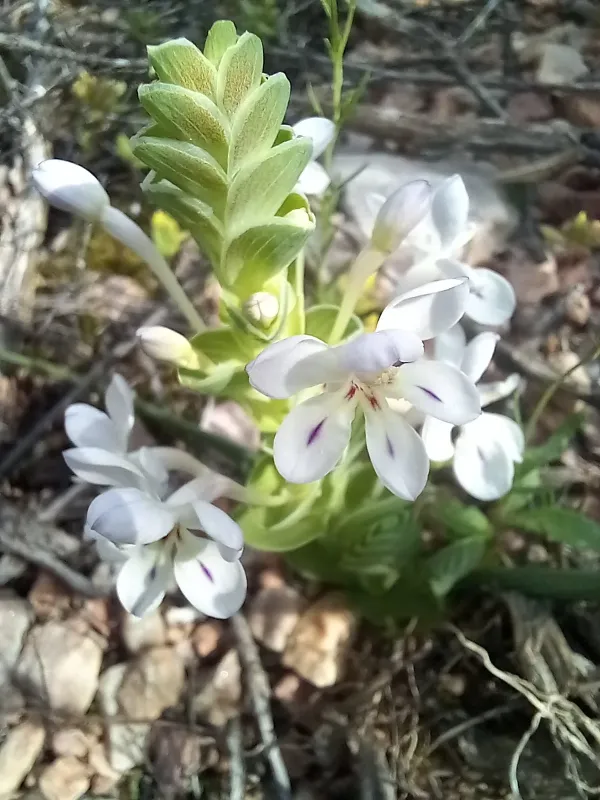
Description
Growing requirements
Lapeirousia pyramidalis is a captivating member of the Iridaceae family, naturally occurring in the South African region. This perennial cormous plant is highly prized for its unique, pyramid-shaped inflorescence, which adds significant aesthetic value to ornamental collections.
The plant thrives in regions that mimic its native Mediterranean-type climate, characterized by mild, wet winters and warm, dry summers. It is essential to ensure that the plant receives full sun exposure throughout its active growing period to prevent leggy growth and ensure vibrant flower production.
Soil requirements for Lapeirousia pyramidalis are strictly focused on drainage. A sandy or gritty soil mix is mandatory to prevent the corm from rotting during the wet season. If cultivating in pots, ensure that the substrate is composed of well-draining materials such as pumice or perlite.
Water management is the most critical aspect of the plant's agrotechnics. During the growing season, moderate watering is necessary to support development, but once the foliage starts to yellow, water must be withheld entirely to allow the corm to enter a dormant state.
Temperature sensitivity is high, as the species does not tolerate hard frosts. In cold climates, the corms should be harvested after the foliage dies back and stored in a cool, dry place until the following spring, or kept in climate-controlled greenhouse environments.
Main diseases and pests
The primary threats to Lapeirousia pyramidalis involve fungal pathogens, particularly those causing root and corm rot. Excess soil moisture combined with stagnant air is the most frequent cause of rapid plant decline and death within a collection.
Insects like thrips and aphids are common pests that target the delicate leaves and flower buds. These pests can cause physical damage and act as vectors for viral diseases, significantly weakening the plant's health over time.
To mitigate the risk of pest outbreaks, growers should maintain adequate spacing between plants to facilitate optimal air circulation. If a pest infestation occurs, immediate application of targeted insecticides or natural soaps is recommended to protect the flower display.
Prevention of fungal issues starts with the corm preparation process. Inspecting corms for signs of disease before planting and using a prophylactic fungicide dip are highly effective strategies for maintaining a healthy planting stock.
Sanitation practices, such as removing dead leaf tissue and preventing debris accumulation around the crown, significantly reduce the niche habitats available for pests and fungi. Consistent vigilance ensures the longevity and beauty of this exceptional ornamental species.