
Lapeirousia hybrids
Lapeirousia hybrids
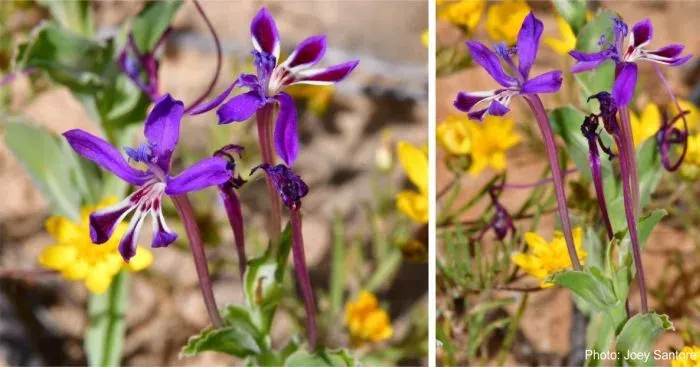
Description
Sowing dates
Planting of Lapeirousia hybrids in open ground should be carried out in spring once the soil has warmed up to at least 15 degrees Celsius.
In most climate zones, the optimal planting window falls between late April and early May to avoid the danger of unexpected late frosts.
It is highly recommended to soak the bulbs in a fungicide solution prior to planting to prevent fungal infections in the cold, damp spring soil.
The bulbs should be planted at a depth of 5 to 8 centimeters, ensuring adequate spacing between individual plants for healthy air circulation.
For container gardening, planting can be done earlier in sheltered spots, allowing for a controlled transition to outdoor conditions when weather permits.
Growing requirements
Lapeirousia hybrids are elegant members of the Iridaceae family that thrive best in full sun locations with well-drained, sandy-loam soil.
Soil structure is critical; the plants require excellent drainage, as they are highly susceptible to bulb rot in waterlogged or heavy clay soils.
A neutral to slightly acidic pH is ideal for these plants, providing the necessary balance for nutrient absorption during the active growth phase.
Watering should be consistent but moderate, as the bulbs prefer to dry out slightly between irrigation cycles to mimic their natural habitat.
During the flowering season, it is important to provide sufficient light while maintaining temperatures that are not excessively hot to prolong bloom time.
Main diseases and pests
The primary threats to Lapeirousia hybrids involve fungal diseases such as gray mold and various root rots, often triggered by excessive soil moisture.
Insects like thrips and spider mites can cause significant damage to foliage, especially during hot and dry spells in the middle of summer.
Aphids can occasionally cluster on tender flower stalks, requiring gentle intervention with insecticidal soaps to protect the aesthetic value.
Improper storage conditions can lead to mold development on dormant bulbs, which necessitates careful sorting and air circulation during winter storage.
Integrated pest management, including regular inspections and the use of targeted fungicides, is recommended to keep the plants healthy and vigorous.
Harvesting
Harvesting bulbs should be performed in the autumn, immediately after the foliage has naturally withered and turned yellow, indicating dormancy.
The bulbs should be carefully lifted from the ground, cleaned of excess soil, and cured in a dry, dark, and well-ventilated area for several days.
Once dried, bulbs should be stored in a cool, dry place, ideally packed in dry peat or sawdust to maintain optimal moisture levels.
Maintaining a storage temperature of 10 to 15 degrees Celsius is essential to keep the bulbs dormant until the following spring planting season.
Regular monitoring during the storage period allows for the early removal of any bulbs showing signs of decay, protecting the rest of the collection.