
Lapeirousia plicata
Lapeirousia plicata
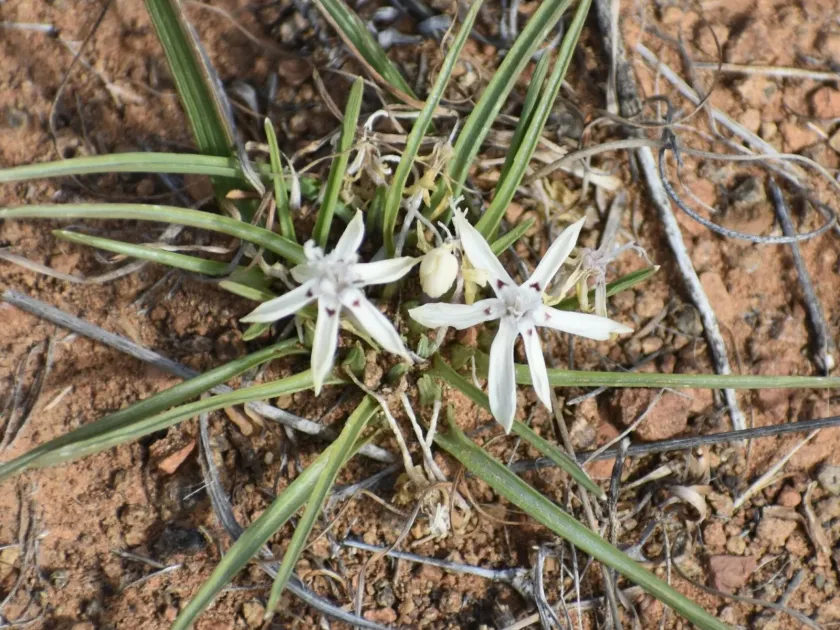
Description
Growing requirements
Lapeirousia plicata belongs to the Iridaceae family and is a typical bulbous geophyte native to the arid regions of Southern Africa. The plant features a corm that allows it to survive long periods of seasonal drought while remaining in a dormant state.
Successful cultivation of this species requires well-drained, loose substrates with a neutral or slightly acidic pH. In temperate climates, the plant needs protection from excessive moisture, which leads to root system decay, making the use of sandy or stony soil mixtures a mandatory requirement.
The climate requirements for Lapeirousia include intense sunlight and significant fluctuations between day and night temperatures. During the active growth phase, the plant prefers moderate warmth, but if temperatures drop below freezing, mandatory covering or moving the containers indoors is required.
Cultivation practices are based on strict adherence to a watering schedule: soil moisture should be moderate and regular during the growth phase, but it must be completely withheld after the foliage withers. This mimics the natural cycles of Mediterranean or African climates, ensuring nutrient accumulation in the corm.
The primary use of Lapeirousia plicata is decorative: it is valued for its elegant flowering stalks with funnel-shaped blooms that enhance rock gardens, alpine slides, and container compositions. Landscape designers appreciate the plant for its early flowering and compact growth habit.
Main diseases and pests
The main threats to this crop are fungal diseases that develop due to water stagnation in the root zone. Infection with Fusarium or various types of rot leads to rapid corm death, so prevention includes mandatory treatment of planting material with fungicides.
Among pests, thrips and spider mites pose the greatest danger, as they actively thrive in conditions of low air humidity and high temperatures. Regular inspection of the leaves for micro-damage allows for timely intervention using systemic insecticides.