
Lapeirousia jacquinii
Lapeirousia jacquinii
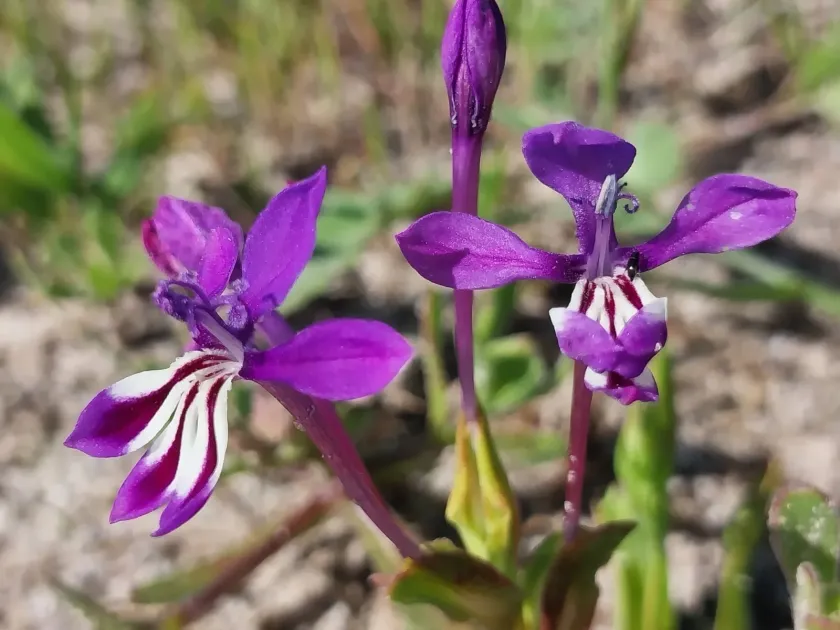
Description
Sowing dates
Lapeirousia jacquinii is a beautiful cormous plant belonging to the Iridaceae family. Native to the diverse landscapes of South Africa, it is known for its elegant, often colorful blooms that appear in clusters.
Planting usually occurs in the spring, once the soil has warmed up sufficiently to support active root growth. The ideal soil temperature for planting these corms is typically around 12-15 degrees Celsius.
When planting, ensure the corms are placed at a depth of approximately 5-8 centimeters. They should be set in well-draining soil to prevent moisture accumulation, which is critical for the health of the plant.
Spacing between plants should be maintained at about 10-15 centimeters. This distance is vital for air circulation, which helps reduce the humidity around the foliage and minimizes the risk of rot.
Propagation can be achieved by offsets, which the corms produce annually, or by seeds. While seeds are effective, they require patience, as the plants will not reach maturity for a few growing seasons.
Growing requirements
The primary requirement for Lapeirousia jacquinii is high-quality, free-draining soil. A sandy or gritty mix is highly recommended to mimic the plant's natural habitat and ensure no water stands around the roots.
Full sun is necessary for the best performance. Without adequate light, the stems tend to become leggy, and the overall flowering capacity is significantly diminished throughout the growing season.
Watering should be consistent during the growth phase but should be tapered off significantly once the foliage begins to yellow. During dormancy, the corms should remain in dry conditions to mimic their native summer-dry climate.
Applying a balanced, low-nitrogen fertilizer during the early stages of spring growth supports the development of healthy foliage and, eventually, a robust floral display. Avoid excessive fertilization late in the season.
Temperature control is essential for successful cultivation. As this species is sensitive to extreme cold, in regions with frost, it is necessary to lift the corms in late autumn and store them in a cool, dry environment.
Main diseases and pests
Fungal diseases, particularly root and corm rot, represent the most significant threat to this species. These are usually caused by waterlogged soil and poor drainage, which favor pathogen colonization.
Pests such as thrips and spider mites can infest the foliage, particularly in hot and dry conditions. These insects weaken the plant by sucking sap, often leading to speckled or deformed leaves.
Preventative care, including the treatment of corms with a systemic fungicide before planting, is a highly effective way to mitigate the risk of soil-borne diseases during the growing season.
Monitoring the plants for early signs of infestation is crucial. If pests are detected, targeted insecticidal soaps or specific horticultural oils can be used to manage the population without harming the plant's health.
Proper storage hygiene is equally important; keeping dormant corms in a clean, ventilated, and dry area helps prevent the spread of storage rots, ensuring the bulbs are viable for the next season.