
Lantana moritziana
Lantana moritziana
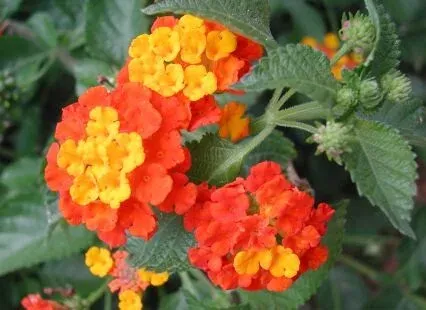
Description
Growing requirements
Lantana moritziana is a perennial evergreen shrub belonging to the Verbenaceae family. In its natural habitat, the plant forms dense, branched crowns, reaching significant sizes.
This crop originates from the tropical regions of South America, specifically Colombia and Venezuela. It is adapted to a humid, warm climate and does not tolerate even brief frosts.
Successful growth requires well-drained, fertile soil with a neutral to slightly acidic pH. A crucial condition for the plant is access to abundant direct sunlight throughout the day.
In temperate regions, cultivation is only possible in containers or greenhouses, as the plant is extremely sensitive to temperatures dropping below 10 degrees Celsius.
Watering must be regular, especially during the growing season; however, the crop does not tolerate waterlogging, which can quickly lead to root rot.
Main diseases and pests
Lantana moritziana is frequently attacked by sucking pests, the most dangerous being spider mites and whiteflies. They feed on leaf sap, causing deformation and premature leaf drop.
Under conditions of high humidity and poor ventilation, the plant may suffer from powdery mildew. The disease appears as a white powdery coating on the leaves, which inhibits photosynthesis.
Root rots pose a serious threat when irrigation practices are poorly managed. Fungal pathogens develop in waterlogged soil and are difficult to treat once the infection progresses.
Prevention includes regular inspection of the undersides of the leaves and the application of systemic insecticides at the first sign of infestation.
- Strict adherence to watering schedules.
- Ensuring adequate air circulation.
- Regular pruning to prevent excessive density within the crown.